

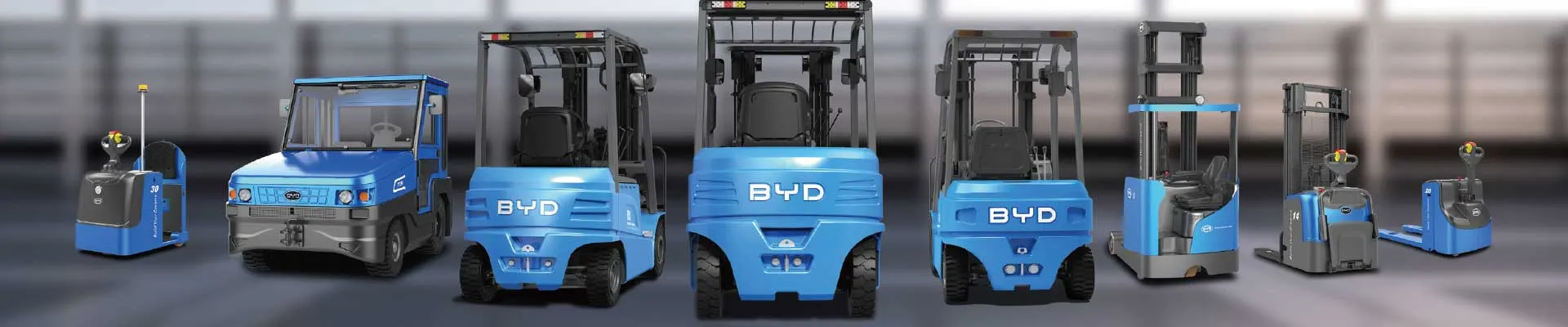
.jpg "烘焙车间电动叉车,与烤箱区配合作业(图1)")
In modern bakery workshops, the coordination between material handling equipment and production zones is critical for maintaining workflow continuity and safety. Electric forklifts have emerged as a reliable solution for transporting raw ingredients, intermediate doughs, and finished baked goods, especially when working in close proximity to high-temperature oven areas.
Bakery ovens generate intense heat and require precise timing for loading and unloading. Traditional internal combustion forklifts can pose risks due to exhaust fumes and heat buildup, making electric models a safer alternative. With zero emissions, lower noise levels, and smooth acceleration, electric forklifts reduce contamination risks and improve operator comfort in confined spaces near ovens.
Effective coordination involves several key practices. First, forklift operators should follow designated pathways that avoid direct exposure to oven heat to prevent tire damage or battery overheating. Second, the forklift's lifting capacity and mast height must match the oven racks and cooling racks to avoid product damage. Third, scheduling pickups and deliveries during oven idle periods minimizes congestion and allows for uninterrupted baking cycles.
In a typical layout, the oven area is flanked by staging zones where baked trays are temporarily held. An electric forklift with a side-shift and fork positioner can precisely align with these racks, reducing manual handling and potential burns. The forklift's low center of gravity provides stability when carrying heavy loads of stacked trays.
For businesses in Hubei, Hubei Jianshu New Energy offers professional sales and after-sales service for electric forklifts, ensuring that bakery workshops can maintain optimal performance. Their team provides training on safe operation near ovens and routine maintenance to extend battery life in warm environments.
By integrating electric forklifts into the oven area workflow, bakeries achieve higher throughput, fewer workplace injuries, and consistent product quality. This approach aligns with modern food safety standards and operational efficiency goals.


