

.jpg "饮料灌装线电动叉车,物料配送效率提升思路(图1)")
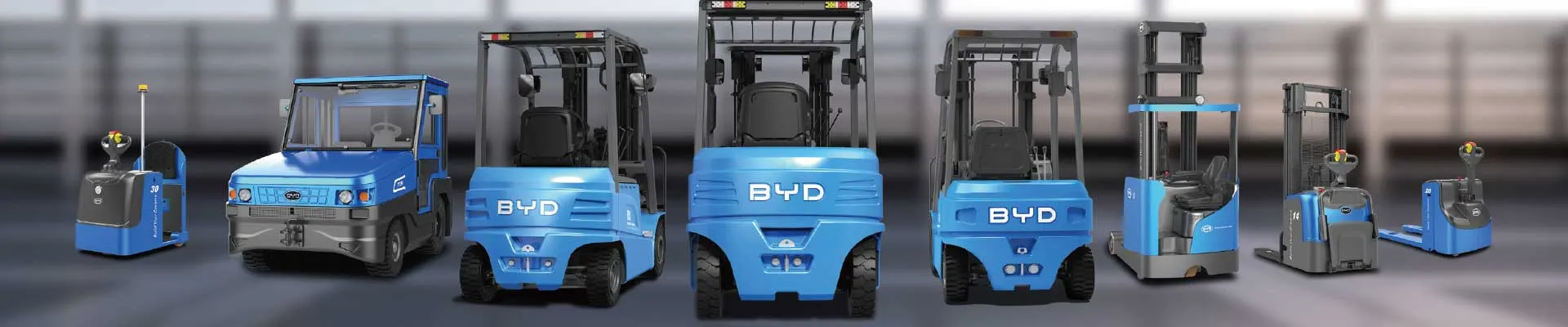
In beverage production, the filling line operates at a continuous high speed, demanding a seamless flow of raw materials—such as empty bottles, caps, labels, and packaging films—as well as finished goods. Material handling efficiency directly impacts overall line productivity. Electric forklifts, especially those with advanced lithium battery technology, offer a practical solution to optimize this process. Below are key approaches to enhance material delivery efficiency in a beverage filling line environment.
First, route planning and traffic management inside the warehouse and production area are critical. A well-designed one-way or loop path reduces congestion and waiting time. Electric forklifts with precise maneuverability, such as three-wheel or compact models, can navigate narrow aisles common in beverage warehouses. Implementing a simple visual management system, like floor markings or zone indicators, helps drivers avoid unnecessary stops. This reduces travel distance by up to 15% and improves delivery punctuality.
Second, battery charging strategy directly affects forklift availability. Traditional lead-acid batteries require dedicated charging rooms and long charge cycles, often causing downtime during shift changes. Modern lithium-ion electric forklifts accept opportunity charging—meaning they can be charged during short breaks (e.g., 15–20 minutes) without damaging the battery. For a beverage line running 24/7, this eliminates the need for battery swapping and reduces the number of forklifts required. A single lithium forklift can replace two lead-acid units in some scenarios, lowering both capital and operational costs.
Third, fork attachments and load handling customization improve task efficiency. For beverage pallets, standard fork lengths may not be ideal. Adjustable forks or side-shifters allow operators to pick and place loads without extra maneuvering. Specialized clamp attachments for handling bulk containers of syrup or juice can also speed up material transfer. When selecting attachments, ensure they are compatible with the forklift’s rated capacity and do not compromise stability. Proper training on attachment usage is equally important to avoid damage to products or infrastructure.
Fourth, integrating digital tools such as tablet-based task management or simple warehouse execution systems can reduce administrative delays. For example, when a forklift operator receives a pickup request via a mobile device, the system can display the shortest route and prioritize urgent tasks. This eliminates paper-based communication and manual searching. Even without a full WMS, a basic barcode scanner on the forklift can confirm load identification and location, preventing misdeliveries that cause line stoppages.
Finally, preventive maintenance schedules tailored to beverage line operations ensure consistent performance. Electric forklifts have fewer wear parts than internal combustion models, but regular checks on tires, hydraulic systems, and battery health are necessary. A proactive maintenance plan, with daily operator inspections and weekly technician checks, minimizes unplanned breakdowns. Partnering with a local service provider like Hubei Jianshu New Energy—which offers comprehensive sales and after-sales support for electric forklifts in the Hubei region—can help facilities maintain high uptime.
In summary, improving material delivery efficiency in beverage filling lines requires a combination of thoughtful layout design, appropriate battery technology, optimized attachments, digital coordination, and disciplined maintenance. By adopting these practical steps, facilities can achieve smoother material flow, reduce waste, and support the high-speed demands of modern beverage production.


