

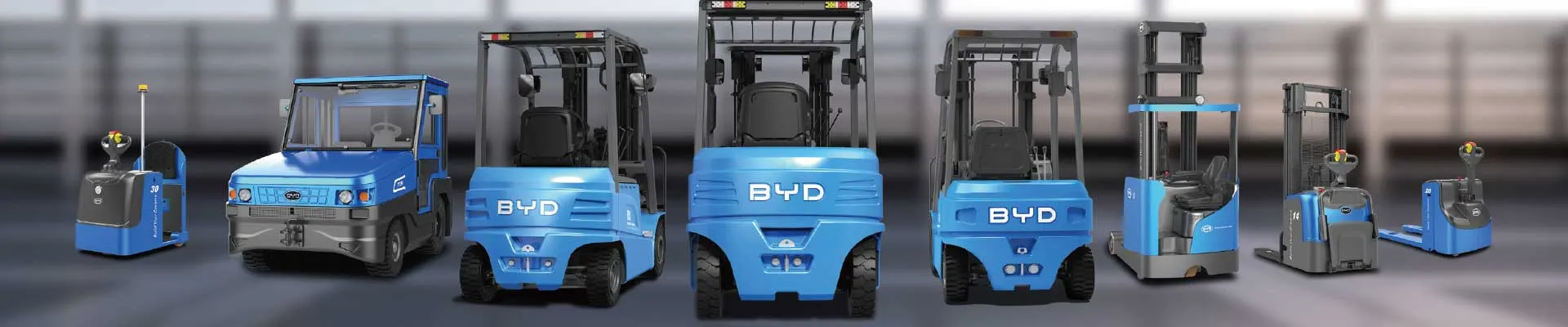
In the food processing industry, maintaining a clean and sanitary environment is not just a regulatory requirement but a fundamental pillar of product quality and consumer trust. Electric forklifts, as essential material handling equipment, frequently operate in production areas, storage zones, and packaging lines. Their cleanliness directly impacts the overall hygiene of the workshop. This article provides practical guidance on daily cleaning routines for electric forklifts in food factories, ensuring compliance with food safety standards while extending equipment lifespan.
Why Daily Cleaning Matters
Food factories are subject to strict hygiene regulations, such as HACCP and GMP. Dust, food residues, oil, and moisture can accumulate on forklift surfaces, tires, and undercarriages. These contaminants may become breeding grounds for bacteria or attract pests, posing cross-contamination risks. A clean forklift reduces the likelihood of foreign matter entering food products, protects sensitive ingredients, and supports audit readiness. Moreover, regular cleaning prevents corrosion and wear, especially in wet or acidic environments common in food processing.
Recommended Cleaning Frequency
For food factories, a daily cleaning routine is advisable after each shift or at the end of the working day. High-traffic zones or areas with sticky residues (e.g., bakery, dairy, or meat processing) may require more frequent cleaning—after every few hours of operation. The cleaning schedule should be documented and monitored by the maintenance team.
Step-by-Step Daily Cleaning Procedure
1. Pre-Cleaning Inspection
Before cleaning, turn off the forklift and remove the key. Wear appropriate personal protective equipment (PPE), such as gloves, safety glasses, and waterproof apron. Check for any visible damage, loose parts, or fluid leaks. Address leaks immediately to prevent contamination.
2. Dry Removal of Loose Debris
Use a soft brush or compressed air (with low pressure) to dislodge food crumbs, dust, and dry residues from the fork arms, mast, chassis, and operator compartment. Avoid using high-pressure air near sensitive electrical components.
3. Wet Cleaning with Approved Detergents
Prepare a cleaning solution using a food-grade, non-corrosive detergent diluted according to manufacturer instructions. Use a clean sponge or microfiber cloth to wipe down all exterior surfaces, including the fork arms, overhead guard, steering wheel, pedals, and seat. Pay special attention to areas where food particles may lodge, such as gaps between the mast and carriage, and around the wheels.
4. Undercarriage and Tire Cleaning
Food residues often accumulate on the undercarriage and tire treads. Use a low-pressure water spray (not exceeding 500 psi) to rinse the underside, avoiding direct spray on the battery compartment, motor, and electrical connectors. For stubborn residues, use a soft brush. Ensure the tires are free from sticky substances that could transfer to the floor.
5. Battery and Electrical Area Care
For electric forklifts, the battery area must be kept clean and dry. Wipe the battery top with a damp cloth to remove dust and acid residue. Check for any white powder (sulfation) and clean gently. Do not use water near the battery terminals or charging plug. Dry the battery compartment thoroughly after cleaning.
6. Final Rinse and Drying
Rinse the forklift with clean water using a low-pressure hose or a damp cloth. Avoid pooling water. Dry all surfaces with a clean, lint-free cloth. Pay special attention to the operator floor, brake pedal area, and the mast channels to prevent rust.
7. Post-Cleaning Verification
Visually inspect the forklift for any missed spots. Ensure the operator compartment is dry and free from slippery residues. Document the cleaning in a log sheet, noting date, time, and any issues found.
Best Practices for Hygiene Compliance
- Use only food-grade cleaning agents approved for use in food facilities.
- Never use harsh chemicals like bleach or abrasive cleaners that may damage paint or rubber seals.
- Keep a dedicated cleaning kit for forklifts, separate from general cleaning tools.
- Train operators and cleaning staff on proper techniques to avoid damaging electrical components.
- Schedule periodic deep cleaning (weekly or monthly) to remove buildup in hard-to-reach areas.
Support from Hubei Jianshu New Energy
As a professional service provider in Hubei, Hubei Jianshu New Energy specializes in the sales and after-sales service of BYD electric forklifts. We understand the unique hygiene challenges of food factories. Our team offers expert guidance on proper cleaning routines, genuine spare parts, and maintenance support to keep your forklifts operating safely and cleanly. Whether you need a new electric forklift or routine service, we are committed to helping you maintain a hygienic production environment.
Conclusion
Daily cleaning of electric forklifts is a simple yet effective measure to uphold food safety standards. By following a systematic procedure, food factories can prevent contamination, prolong equipment life, and pass rigorous hygiene inspections. Partnering with a reliable service provider like Hubei Jianshu New Energy ensures that your forklift fleet remains in optimal condition, contributing to a clean and efficient workshop.


