

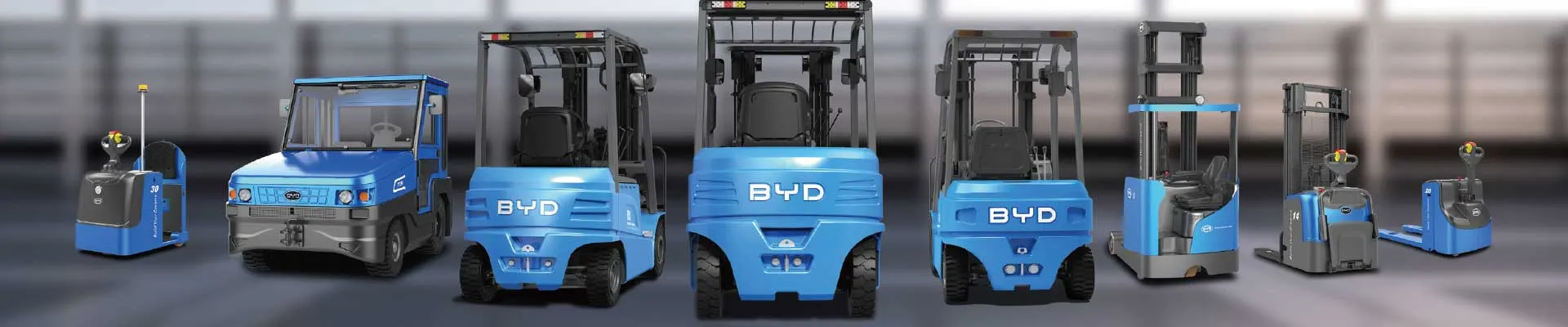
.jpg "食品仓库电动叉车,货物偏载作业安全提醒(图1)")
Operating an electric forklift in a food warehouse requires constant attention to load stability, especially when dealing with unbalanced loads. Unbalanced loads—where the center of gravity is not centered on the forks—can cause tip-overs, dropped pallets, and serious injuries. This article provides practical safety reminders for operators, warehouse managers, and maintenance teams.
Understanding Unbalanced Loads
In food warehouses, products are often stacked unevenly due to packaging variations, broken pallets, or mixed SKUs. A load that is heavier on one side or shifted forward/backward creates an unbalanced condition. When the forklift lifts or moves such a load, the machine’s stability is compromised. The electric forklift’s battery and counterweight are designed for average loads, but extreme eccentricity can exceed design limits.
Pre-Operation Inspection
Before any lift, visually inspect the load. Look for signs of shifted contents, damaged pallets, or uneven overhang. If the load appears unstable, do not lift it. Re-stack or re-palletize the goods first. Check the forklift’s tires, mast, and forks for wear. A damaged fork can worsen imbalance. Verify that the load capacity plate is legible and that the load weight and center of gravity are within the forklift’s rated capacity.
Lifting Techniques for Unbalanced Loads
When lifting an unbalanced load, follow these steps:
1. Position the forks evenly – Ensure both forks are fully inserted under the load, with the load centered as much as possible. If the load is offset, adjust the fork spacing if your forklift allows.
2. Tilt the mast back slightly – This helps stabilize the load against the backrest. Do not tilt forward while lifting.
3. Lift slowly and smoothly – Abrupt movements can cause the load to shift further. Keep the forks low to the ground during travel.
4. Avoid sudden turns or stops – When traveling with an unbalanced load, reduce speed and make wide turns. The centrifugal force from a sharp turn can tip the forklift.
Traveling with Unbalanced Loads
Drive with the load tilted back and the forks as low as possible (just above ground clearance). On ramps or inclines, keep the load uphill when going up and downhill when descending. Never travel with the load elevated. If the load is visibly unstable, consider using a spotter or securing the load with straps.
Environmental Factors in Food Warehouses
Food warehouses often have wet floors from cleaning, condensation, or spills. Water on the floor reduces traction and increases the risk of a tip-over when carrying an unbalanced load. Also, refrigerated or freezer areas may have ice patches. Operators should adjust speed accordingly and avoid driving over floor drains or uneven surfaces.
Maintenance and Training
Regular maintenance of electric forklifts—especially the mast, hydraulic system, and steering—is critical for safe handling of unbalanced loads. Any malfunction in the lift chain or tilt cylinder can exacerbate instability. Operators should receive periodic refresher training on load stability, including hands-on practice with eccentric loads.
Conclusion
In food warehouses, electric forklifts are indispensable tools, but unbalanced loads demand extra caution. By inspecting loads, using proper lifting techniques, and adapting to warehouse conditions, operators can prevent accidents. Hubei Jianshu New Energy Co., Ltd. is your trusted partner for electric forklift sales and after-sales service in the Hubei region. We provide professional guidance and genuine parts to keep your equipment safe and efficient. Remember: no load is worth a life. Stay alert, stay safe.


