

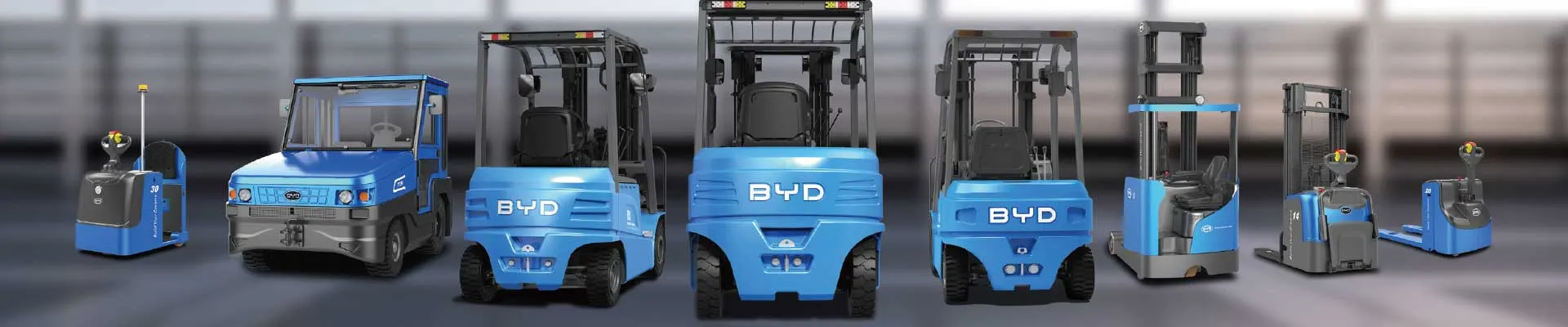
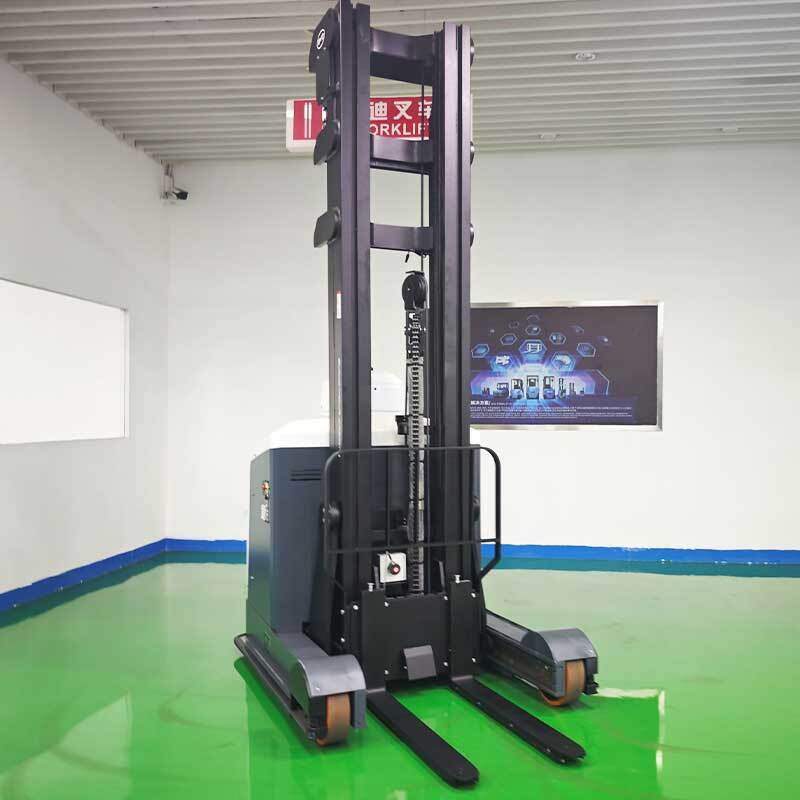
In grain and oil processing plants, the movement of raw materials and finished products is a critical operation that directly impacts productivity and cost. Raw grains such as wheat, corn, and soybeans, as well as oils, cakes, and packaged goods, require efficient, safe, and reliable handling equipment. Electric forklifts have emerged as a preferred solution for these environments, offering distinct advantages over traditional internal combustion models.
Grain and oil facilities often operate indoors, with strict requirements for air quality and noise control. Electric forklifts produce zero emissions, making them ideal for enclosed warehouses, processing halls, and loading docks. Their quiet operation also improves working conditions for operators and nearby personnel. Additionally, the smooth acceleration and precise control of electric forklifts reduce the risk of product damage during handling of delicate bags or pallets.
From receiving raw materials to storing, staging, and shipping finished goods, electric forklifts can be deployed across multiple stages. For example, at the receiving area, a 3-ton electric forklift can unload grain trucks and transport pallets to the cleaning or storage zone. In the finished product area, a 2-ton model can handle sealed oil drums or bagged flour, moving them to the loading dock. The flexibility of electric forklifts allows them to navigate narrow aisles common in older facilities, thanks to their compact design and tight turning radius.
Modern electric forklifts are powered by advanced lithium-ion batteries, which offer fast charging, no memory effect, and longer cycle life compared to traditional lead-acid batteries. This reduces downtime and eliminates the need for battery changing stations. For multi-shift operations, opportunity charging during breaks keeps the forklift running throughout the day. Thermal management systems ensure stable performance even in hot or cold environments typically found in grain processing plants.
Safety is another key consideration. Electric forklifts are equipped with features such as regenerative braking, automatic speed control on ramps, and operator presence sensors. These help prevent accidents when moving heavy loads near people or equipment. In addition, the absence of fuel and exhaust eliminates fire hazards associated with flammable dust or combustible materials common in grain handling.
Maintenance requirements are lower than those of diesel or LPG forklifts. Fewer moving parts, no engine oil changes, and no spark plugs mean reduced service costs and less downtime. Battery maintenance is straightforward, and many models offer onboard diagnostics to alert operators of potential issues.
For companies in the Hubei region, having access to reliable local support is essential. Hubei Jianshu New Energy specializes in the sales and after-sales service of a leading brand of electric forklifts, providing professional installation, routine maintenance, and rapid repair services. Their team understands the unique demands of the grain and oil processing industry and can recommend the right equipment configuration for each client’s plant layout and throughput requirements.
Choosing the right material handling equipment is a long-term investment. Electric forklifts, when properly specified and maintained, deliver consistent performance, lower total cost of ownership, and a cleaner working environment. By partnering with a knowledgeable local service provider, grain and oil processing plants can optimize their logistics and focus on producing high-quality food products.


