

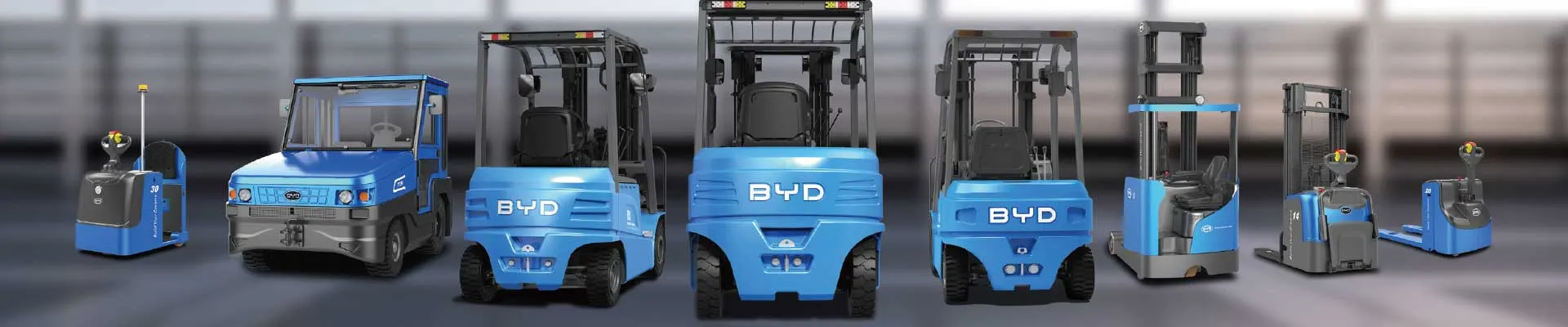
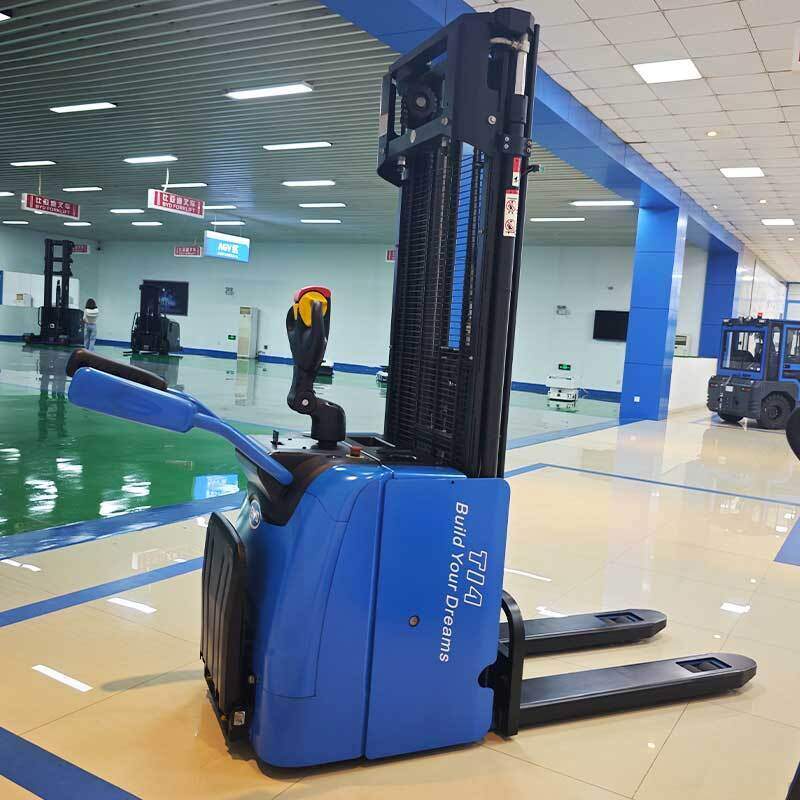
In grain and oil workshops, electric forklifts play a critical role in material handling. The hydraulic system, which controls lifting, tilting, and steering, requires consistent daily attention to ensure reliability and safety. Below are key maintenance points every operator and technician should follow.
First, check the hydraulic fluid level every morning before starting operations. Park the forklift on level ground, lower the forks fully, and turn off the engine. Locate the hydraulic reservoir dipstick or sight glass. The fluid level should be between the minimum and maximum marks. Low fluid can cause pump cavitation, erratic movements, and premature wear. Use only the recommended hydraulic oil—typically ISO VG 32 or 46—and never mix different grades.
Second, inspect the hydraulic fluid quality. Look for discoloration, cloudiness, or a burnt smell. Contaminated fluid often indicates water ingress, thermal degradation, or metal particles from internal wear. In grain and oil environments, fine dust and oil residue can easily enter the system. If the fluid appears milky or dark, schedule a complete oil change and filter replacement.
Third, examine all hydraulic hoses, fittings, and cylinders for leaks. Use a flashlight to check for drips, wet spots, or cracks, especially around connection points and piston rod seals. Even a small leak can lead to pressure loss, reduced lifting capacity, and safety hazards. Tighten loose fittings, and replace any damaged hoses or seals immediately. Do not attempt to repair high-pressure lines with tape or clamps.
Fourth, clean or replace hydraulic filters according to the manufacturer’s interval. In dusty workshop conditions, filters can clog faster than expected. A clogged filter restricts oil flow, causing the pump to overheat and the system to operate sluggishly. Many electric forklifts have both a suction filter and a return filter. Check the filter indicator if available, and replace both elements at least every 500 operating hours or as recommended.
Fifth, check the hydraulic system for unusual noises or vibrations. During operation, listen for whining, knocking, or hissing sounds. These may indicate air in the lines, a failing pump, or a stuck valve. If the forklift jerks when lifting or lowering, air may have entered the system. Follow the proper bleeding procedure: cycle the lift cylinder several times with no load, and open the vent plug if equipped, to release trapped air.
Sixth, monitor the operating temperature of the hydraulic system. Overheating can degrade oil, damage seals, and reduce efficiency. Ensure the cooling fan and radiator (if present) are clean and functioning. Avoid continuous heavy lifting at maximum capacity for extended periods. In hot environments, consider using a higher viscosity oil or adding an auxiliary cooler.
Seventh, perform a visual inspection of the hydraulic cylinder rods. Look for scratches, pitting, or rust. Rod damage can destroy seals and introduce contaminants. Wipe the rods clean with a soft cloth after each shift, especially in grain and oil workshops where sticky residues can accumulate. Apply a light coat of rust inhibitor if the forklift is used in humid conditions.
Finally, maintain a daily log of all inspections and actions. Record fluid levels, filter changes, leak repairs, and any abnormal observations. This log helps track trends and schedule preventive maintenance before major failures occur. Train operators to report any hydraulic issues immediately.
By following these daily maintenance steps, you can extend the life of your electric forklift, reduce downtime, and ensure safe operations in grain and oil workshops. For professional service and genuine parts support in Hubei, contact Hubei Jianshu New Energy. We provide sales and after-sales service for high-quality electric forklifts.


