

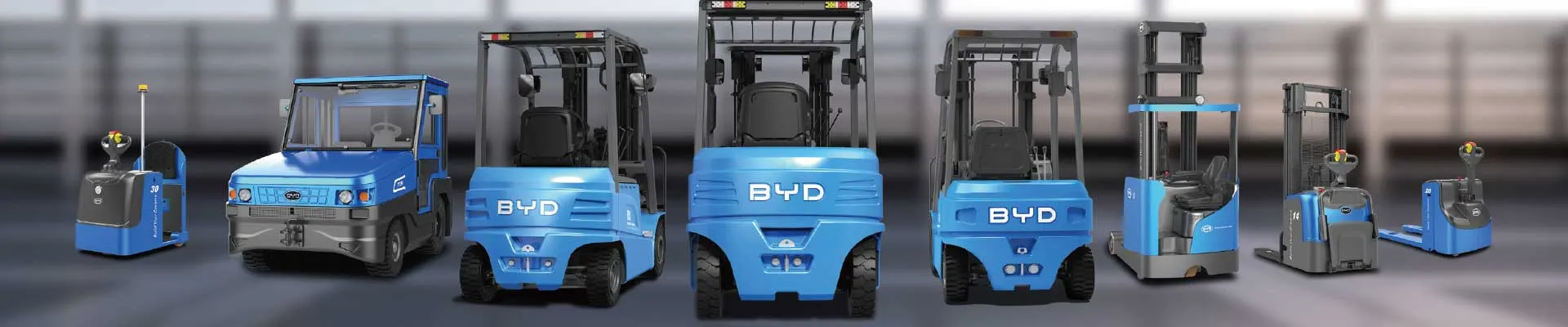
.jpg "湖北饮料厂电动叉车,充电桩布局优化建议(图1)")
In Hubei’s beverage manufacturing industry, electric forklifts are becoming the backbone of material handling. Their efficiency, however, heavily depends on a well-planned charging station layout. A poorly designed setup can lead to downtime, safety hazards, and increased operational costs. As a local expert serving the Hubei region, Hubei Jianshu New Energy understands the unique challenges beverage factories face. This article offers practical, compliance-focused recommendations for optimizing your electric forklift charging station layout, ensuring smooth daily operations while adhering to all relevant regulations.
Beverage factories typically operate in high-volume, multi-shift environments. Forklifts move pallets of raw materials, finished drinks, and packaging supplies constantly. The charging station must support this rhythm without bottlenecks. First, assess your fleet size and usage patterns. For example, a factory with 15 electric forklifts running two shifts may need 8 to 10 charging points, depending on battery capacity. Avoid overloading a single area; distribute charging points near high-traffic zones such as the warehouse entrance, production line, and loading dock. This reduces deadhead travel time and keeps forklifts productive.
Safety is non-negotiable. Charging stations must be located in well-ventilated areas to disperse hydrogen gas emitted during charging. Install the station away from flammable materials, such as cardboard or plastic packaging, which are common in beverage factories. Use clearly marked, non-slip flooring and ensure adequate lighting. Fire extinguishers rated for electrical fires should be within easy reach. Also, maintain a clear path for emergency exits. These measures align with fire safety regulations and protect both workers and equipment.
Power supply planning is critical. Beverage factories often have high electrical loads from refrigeration and production machinery. Work with a qualified electrician to calculate the total current draw of all chargers. Avoid placing all chargers on a single circuit, which can cause breaker trips. Instead, use dedicated circuits with proper capacity. For example, a 48-volt, 100-amp charger requires a dedicated 30-amp circuit. Consider future expansion: leave spare capacity in the electrical panel. Additionally, install energy-efficient chargers that reduce peak demand, lowering your electricity bills.
Charging station layout should follow a logical flow. Designate a specific zone, preferably with a canopy or indoor area, to protect chargers from dust and moisture. Arrange chargers in a row or back-to-back configuration, with enough space between each unit for ventilation and cable management. Use cable hangers or retractable reels to keep cords off the floor, preventing trip hazards and wear. Label each charger clearly with the corresponding forklift number or shift assignment. This organization saves time during shift changes.
Battery maintenance areas should be adjacent to the charging station. Provide a dedicated space for watering batteries (if using lead-acid) and a secure storage rack for spare batteries. For beverage factories, where hygiene is important, keep the battery area clean and free of debris. Use acid-resistant mats and containers for any spills. Regularly inspect battery terminals and charger connections. A simple preventive maintenance schedule can extend battery life by 20% or more.
Integration with warehouse management systems is a modern optimization. Consider installing smart charging stations that log usage data, such as charging duration and energy consumption. This data helps identify underutilized chargers or batteries that need replacement. For example, if a specific battery consistently takes longer to charge, it may indicate sulfation and require servicing. Smart chargers can also schedule charging during off-peak hours, reducing electricity costs.
Finally, train your operators and maintenance staff. They should know the proper charging procedure, including when to connect, how to check water levels, and what to do in case of a malfunction. Post clear instructions and safety signs at each station. Regular training sessions, held quarterly, reinforce good habits and reduce accidents.
In conclusion, optimizing your electric forklift charging station layout in a Hubei beverage factory is a strategic investment. By focusing on safety, power management, space efficiency, and data-driven improvements, you can achieve higher productivity, lower costs, and a safer workplace. For professional guidance and high-quality electric forklift sales and after-sales service in the Hubei region, Hubei Jianshu New Energy is your trusted partner. Contact us for a site evaluation tailored to your specific needs.


