

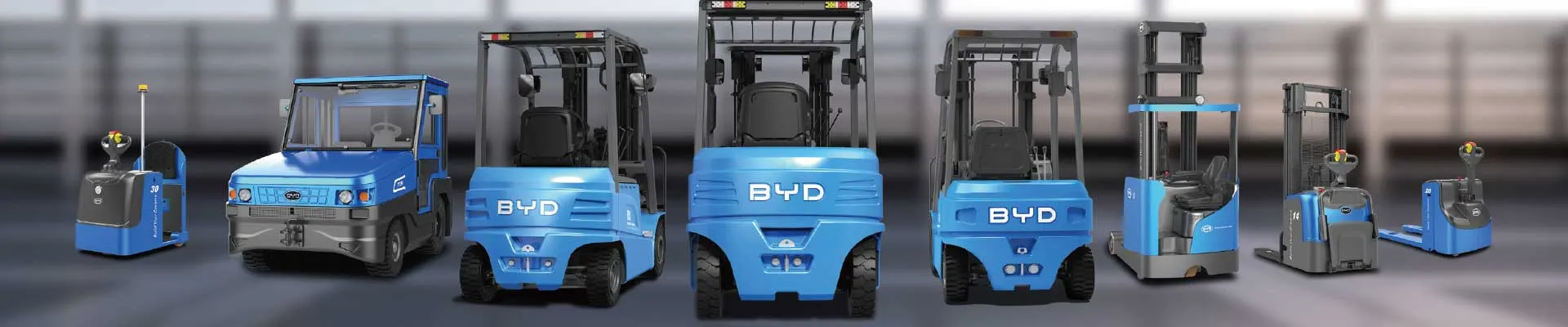
.jpg "湖北饮料厂电动叉车,多班次作业设备配置(图1)")
In the fast-paced environment of a beverage plant in Hubei, multi-shift operations demand reliable and efficient material handling equipment. Electric forklifts have become a preferred choice due to their zero emissions, low noise, and reduced operational costs. However, configuring the right fleet for round-the-clock work requires careful planning. As an electric forklift expert, I will guide you through key considerations to ensure seamless productivity.
First, battery capacity is critical. For multi-shift operations, you need forklifts that can sustain at least one full shift without recharging. A common approach is to select models with high-capacity lithium-ion batteries, which offer faster charging and longer cycle life compared to traditional lead-acid batteries. However, the exact capacity depends on your plant’s typical load weight, travel distance, and lifting frequency. Conduct a thorough analysis of daily usage patterns to avoid under- or over-specification.
Second, charging infrastructure must be strategically designed. With multiple shifts, you cannot afford long downtime between shifts. One effective solution is to implement opportunity charging during breaks or shift changes. This requires installing multiple charging stations at convenient locations, such as near loading docks or production lines. For plants with extremely tight schedules, consider a battery swap system where spare batteries are pre-charged and ready for quick exchange. This eliminates waiting time entirely but requires additional investment in spare batteries and swapping equipment.
Third, maintenance and support play a vital role in multi-shift environments. Electric forklifts have fewer moving parts than internal combustion models, but they still require regular checks on batteries, motors, and controllers. A proactive maintenance schedule with trained technicians ensures minimal unplanned downtime. In Hubei, local service providers like Hubei Jianshu New Energy offer comprehensive after-sales support, including on-site repairs, battery health monitoring, and operator training. This partnership helps beverage plants maintain high efficiency across all shifts.
Fourth, consider the working environment. Beverage plants often involve wet or damp conditions from cleaning or spills. Electric forklifts with proper ingress protection (IP ratings) are essential to prevent electrical damage. Additionally, choose models with ergonomic designs to reduce operator fatigue during long shifts, as driver comfort directly impacts productivity and safety.
Fifth, total cost of ownership should be evaluated. While electric forklifts have higher upfront costs than diesel or LPG models, their lower energy and maintenance expenses lead to long-term savings. For multi-shift operations, the break-even point is often reached within two to three years. Government incentives for green equipment in Hubei may further reduce initial investment.
Finally, scalability is key. As your beverage plant grows or production volumes fluctuate, your forklift fleet should be flexible. Invest in modular charging systems and consider leasing options for additional units during peak seasons. Hubei Jianshu New Energy provides customized solutions, including sales and after-sales service for high-quality electric forklifts, ensuring your fleet adapts to changing demands.
In summary, configuring electric forklifts for multi-shift beverage plant operations in Hubei requires balancing battery technology, charging infrastructure, maintenance, and environmental factors. By following these expert guidelines and partnering with a reliable local service provider, you can achieve maximum uptime, lower costs, and sustainable operations. Remember, the right configuration is not just about equipment—it is about creating a system that works harmoniously with your production schedule. For tailored advice, consult with Hubei Jianshu New Energy, your trusted partner in electric forklift solutions.


