

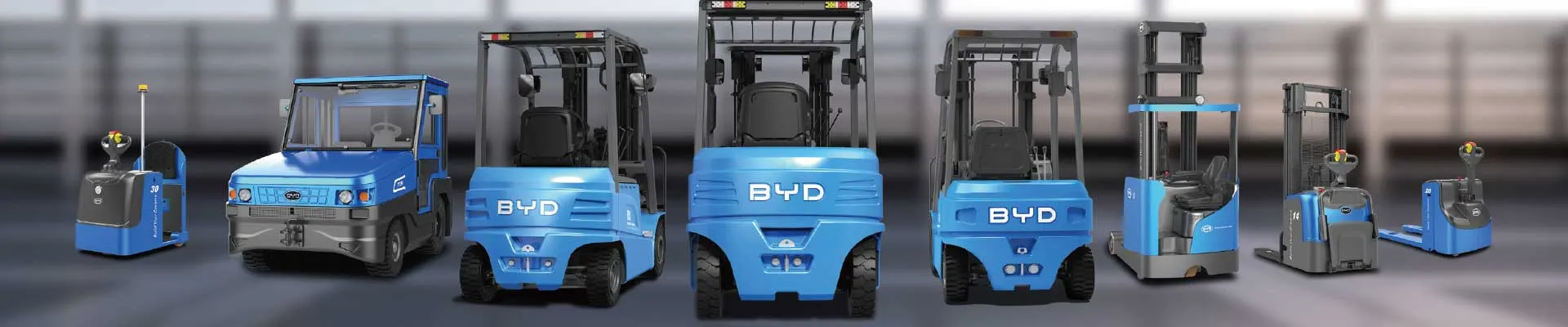
.jpg "湖北饮料车间电动叉车,降噪措施有哪些(图1)")
Beverage workshops in Hubei often require a quiet and clean working environment to maintain product quality and worker comfort. Electric forklifts, compared to internal combustion models, already produce significantly less noise. However, additional noise reduction measures can further optimize operations. Here are practical and compliant strategies for minimizing noise from electric forklifts in beverage production facilities.
First, tire selection plays a crucial role. Solid rubber tires or cushion tires are quieter than pneumatic tires on smooth workshop floors. They reduce vibration and impact noise when the forklift moves over joints or uneven surfaces. For beverage workshops with polished concrete floors, soft compound solid tires provide excellent grip and minimal noise. Always consult the forklift supplier for tire specifications that match floor conditions.
Second, electric motor and hydraulic system maintenance directly affects noise levels. Regularly lubricating bearings, checking motor alignment, and ensuring hydraulic fluid is at the correct level can prevent whining or grinding sounds. Using high-quality hydraulic oil with low aeration properties reduces pump noise. Operators should also avoid sudden acceleration or braking, which causes unnecessary mechanical stress and noise.
Third, the workshop environment itself can be improved. Installing sound-absorbing panels on walls or ceilings near loading areas helps dampen reflected noise. Adding rubber mats or anti-fatigue flooring in high-traffic zones reduces tire and foot traffic sounds. Proper ventilation and dust control also prevent debris from causing rattling noises.
Fourth, operator training is essential. Training drivers to use smooth acceleration, gentle steering, and gradual braking reduces noise from contact between forks, pallets, and racks. Encouraging the use of the horn only when necessary and avoiding unnecessary idling further lowers noise levels. Regular checklists for noise-related issues can be integrated into daily inspection routines.
Finally, periodic professional maintenance by a certified service provider, such as Hubei Jianshu New Energy (which offers sales and after-sales service for electric forklifts in the Hubei region), ensures that all components remain in optimal condition. This includes checking motor brushes, controller fans, and cooling systems. Keeping the forklift clean from debris and dust prevents vibration and noise buildup.
In summary, noise reduction in beverage workshops involves a combination of equipment choices, maintenance practices, environmental adjustments, and operator behavior. These measures are practical, cost-effective, and fully compliant with workplace safety and noise regulations. Always rely on experienced service partners to achieve the best results without compromising performance or safety.


