

.jpg "湖北食品行业电动叉车,绿色生产改造思路(图1)")
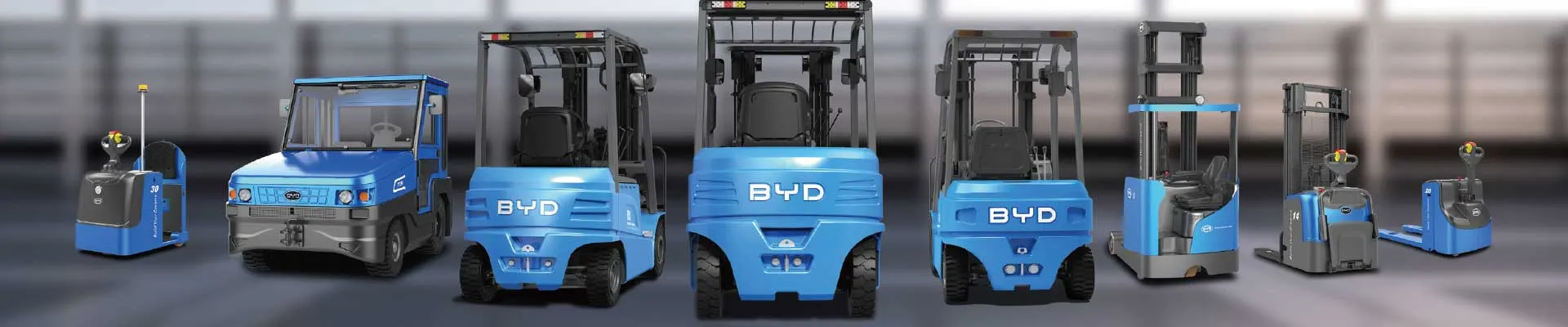
The food industry in Hubei is undergoing a significant shift toward greener production, driven by both environmental regulations and market demand for sustainable practices. One of the most practical and impactful changes is the replacement of traditional internal combustion forklifts with electric alternatives. Electric forklifts offer a cleaner, quieter, and more efficient solution for material handling in food processing, warehousing, and distribution.
First, electric forklifts produce zero tailpipe emissions, which is critical for maintaining air quality in enclosed food production facilities. This not only helps meet strict environmental standards but also protects worker health. Second, they operate with significantly lower noise levels, creating a more comfortable working environment. Third, energy costs are generally lower per operation hour, and with proper battery management, total ownership costs can be reduced over time.
For Hubei food companies planning a green retrofit, the process should start with a thorough assessment of current forklift usage patterns, including daily duty cycles, load weights, and operating environments. Based on this data, selecting the appropriate battery type and capacity is essential. Lithium-ion batteries, for example, offer fast charging and no maintenance requirements, while lead-acid batteries remain a cost-effective option for lighter applications.
Infrastructure planning is another key step. Installing dedicated charging stations, ensuring adequate ventilation, and training operators on battery handling and safety protocols will maximize the benefits of electrification. Additionally, integrating electric forklifts into existing warehouse management systems can improve workflow efficiency and reduce downtime.
It is also important to consider the overall lifecycle impact. Choosing high-quality electric forklifts from reputable suppliers, combined with proper maintenance and battery recycling programs, ensures long-term sustainability. Hubei-based companies like ours, Hubei Jianshu New Energy, specialize in providing sales and after-sales service for electric forklifts in the region, helping local food businesses transition smoothly to green logistics.
In conclusion, adopting electric forklifts is a practical and effective step for Hubei’s food industry to achieve green production goals. By carefully planning the conversion, investing in appropriate infrastructure, and training staff, companies can reduce their environmental footprint while improving operational efficiency. The shift to electric is not just an environmental necessity but a smart business decision.


