

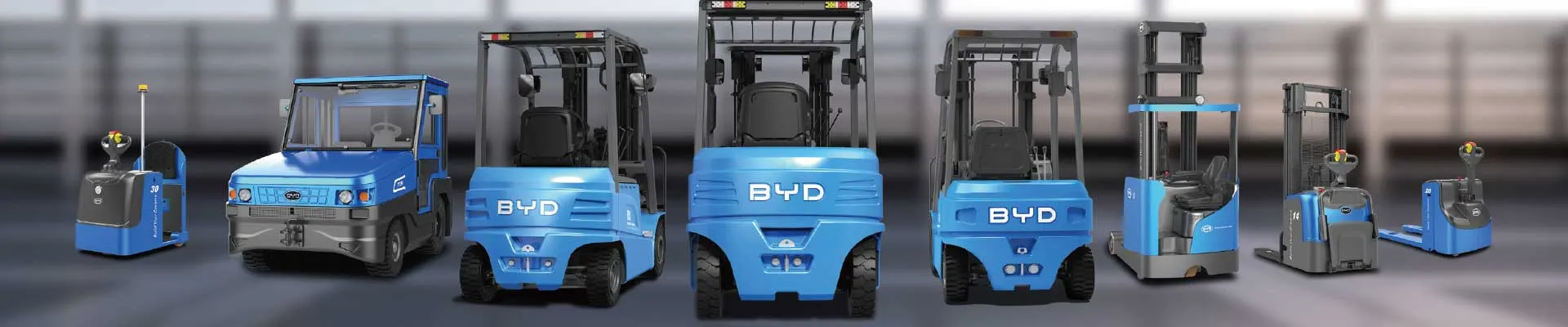
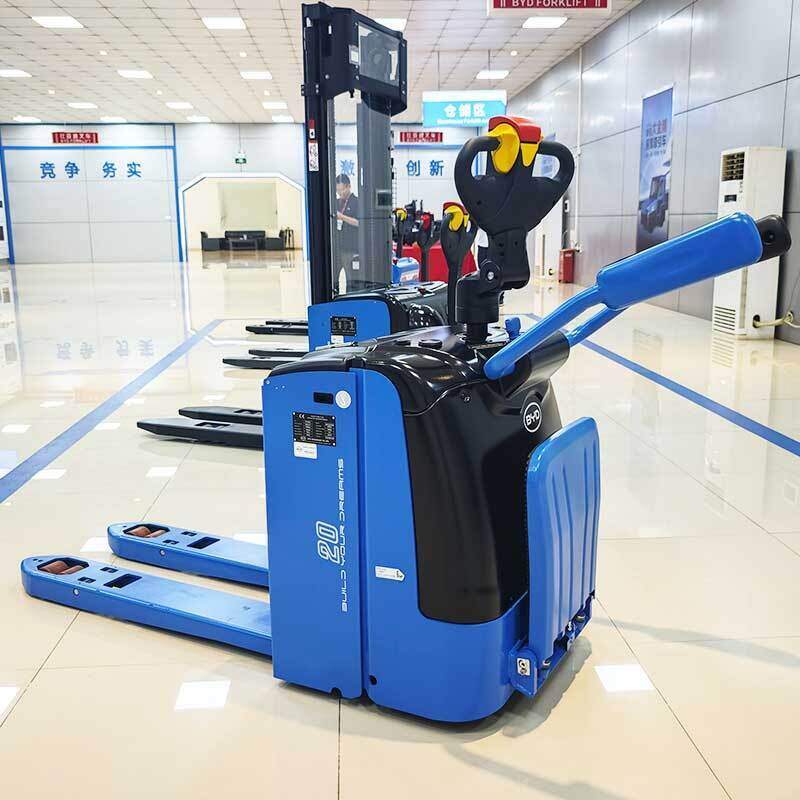
In the competitive landscape of Hubei’s grain and oil processing industry, equipment modernization directly impacts operational efficiency and regulatory compliance. As an electric forklift specialist serving the region, I have observed a growing trend among local mills—from Wuhan to Jingzhou—transitioning from internal combustion (IC) forklifts to electric models. This article provides a neutral, fact-based reference for decision-makers evaluating a fleet upgrade.
Why consider electric forklifts for grain and oil facilities? First, the working environment: flour dust, oil residues, and enclosed storage areas demand clean, emission-free operation. Electric forklifts produce zero tailpipe exhaust, eliminating the risk of carbon monoxide buildup in warehouses and reducing the need for expensive ventilation retrofits. Second, energy costs. Electricity rates in Hubei are relatively stable, and modern electric forklifts achieve a per-hour operating cost 30–50% lower than comparable IC units when factoring in fuel, maintenance, and downtime. Third, noise reduction. Electric motors operate at lower decibel levels, improving worker comfort and enabling night shifts without disturbing nearby residential zones.
When planning a replacement, start with a capacity audit. Grain and oil loads typically range from 1.5 to 3.5 tons. Stacking patterns in silo areas may require a short wheelbase for tight turning. Choose a model with a lift height matching your racking system—most standard warehouses use 3–4.5 meters. Battery technology is another critical factor. Lithium-ion batteries, while more expensive upfront, offer fast charging, zero maintenance, and longer cycle life compared to traditional lead-acid. For multi-shift operations, consider a quick-swap battery system to avoid downtime.
Infrastructure readiness matters. Ensure your facility has a dedicated charging area with proper ventilation and fire protection. Hubei’s humid summers require chargers with IP54 rating to prevent moisture ingress. Also, plan for forklift operator training. Electric models have different acceleration and braking characteristics; a half-day refresher course reduces accident risk.
Financial justification typically involves total cost of ownership over 5 years. Include purchase price, energy, maintenance, battery replacement, and resale value. Many mills in Hubei qualify for government subsidies under the province’s green equipment upgrade initiative. Consult your local tax bureau or industry association for current incentives.
As a regional service provider, Hubei Jianshu New Energy supports the entire lifecycle—from equipment selection and financing to after-sales maintenance. We offer on-site trials, battery leasing options, and a network of trained technicians in Xiangyang, Yichang, and other key cities. Our goal is to help you make an informed decision without pressure or exaggerated claims.
Remember, an electric forklift is not a one-size-fits-all solution. The right choice depends on your specific load profiles, shift patterns, and budget. Reach out to a qualified local dealer to conduct a site assessment and compare real-world performance data. The transition to electric is a practical step toward cleaner, more efficient material handling in Hubei’s grain and oil sector.


