

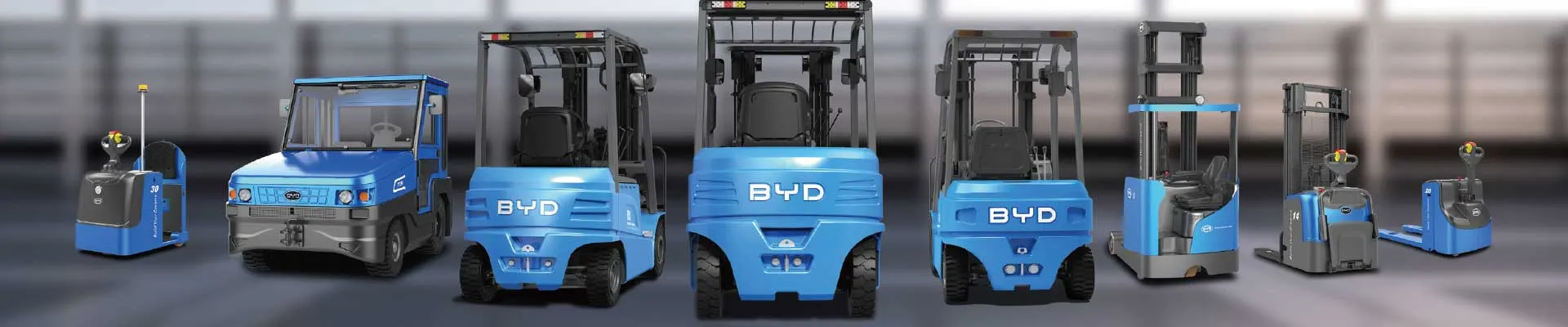
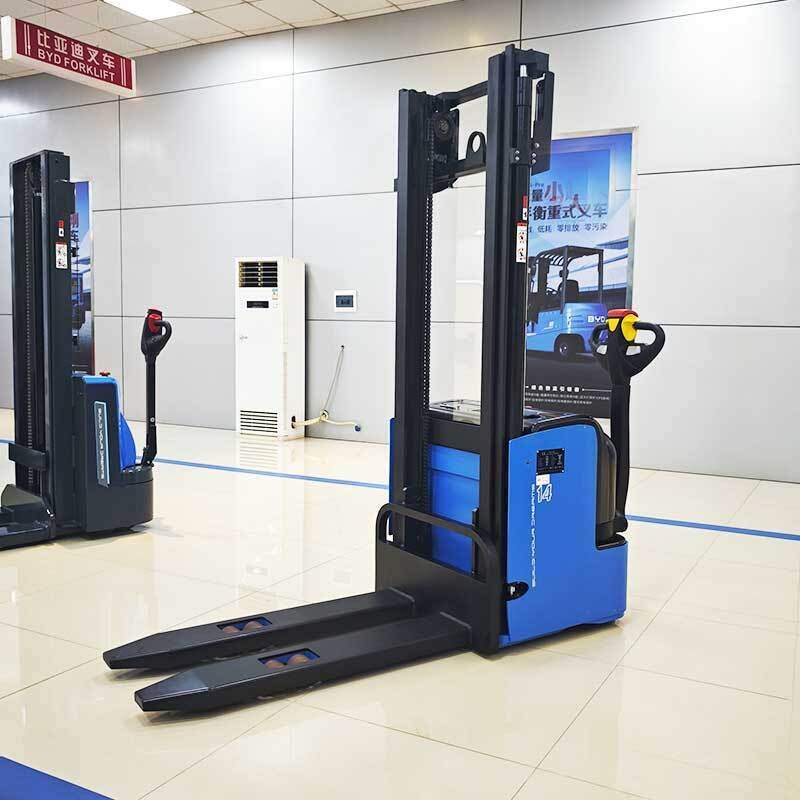
In Hubei Province, grain and oil storage warehouses face unique operational challenges: high seasonal throughput, narrow aisles, strict hygiene requirements, and the need for continuous uptime during peak harvest periods. The shift from internal combustion forklifts to electric models has already improved air quality and reduced noise. However, to fully unlock the potential of an electric fleet, warehouse managers must implement a smart multi-unit dispatching strategy. This article presents a practical scheduling solution tailored for Hubei grain and oil facilities, drawing on proven industry practices.
First, understand the typical warehouse layout. Most grain depots in Hubei consist of multiple storage blocks connected by wide corridors. Forklifts handle palletized rice, flour, cooking oil, and other goods. With three to eight electric forklifts operating simultaneously, uncoordinated movements can lead to congestion, idle time, and battery depletion at critical moments. A systematic dispatch plan addresses these issues.
The core of the solution is centralized task assignment. Instead of letting each driver choose their next task, a software-based dispatch system (or a well-trained supervisor) assigns jobs based on real-time location, remaining battery charge, and task priority. For example, a forklift near the unloading dock with 80% battery should handle inbound goods, while a unit with 40% battery should be assigned to a nearby short-distance task before recharging. This reduces empty travel and ensures balanced workload.
Battery management is crucial for electric fleets. Hubei’s summer heat and winter cold can affect battery performance. Implement a charging schedule that aligns with break times or shift changes. For instance, schedule two forklifts for charging during the lunch break while the other three continue working. Use opportunity charging when possible—plug in during short idle periods. Never wait until the battery is completely drained; instead, maintain a state of charge above 30% to extend battery life.
Another key element is lane discipline and traffic separation. In grain warehouses, dust and debris can reduce visibility. Assign dedicated lanes or zones for each forklift to minimize crossing paths. For example, Forklift A handles the east storage block, Forklift B the west block, and so on. When a task crosses zones, the dispatcher coordinates handoffs. This reduces collision risk and improves flow.
Real-time monitoring adds another layer of efficiency. A simple dashboard showing each forklift’s location, speed, and battery status allows the supervisor to make quick adjustments. If a forklift breaks down, the nearest idle unit can be reassigned immediately. For Hubei grain facilities that operate 24/7 during harvest, this responsiveness prevents costly delays.
Finally, consider the human factor. Drivers should be trained on the dispatch protocol and encouraged to report any anomalies. Regular maintenance of the forklifts—especially brakes, tires, and hydraulics—is essential. A well-maintained electric forklift not only performs better but also consumes less energy, directly reducing operational costs.
At Hubei Jianshu New Energy, we specialize in providing top-quality electric forklifts and comprehensive after-sales service in the Hubei region. Our partnership with a leading electric forklift manufacturer ensures that our clients receive reliable equipment and prompt technical support. Whether you need a single unit or a full fleet, we can help you design a dispatching plan that fits your warehouse layout and workflow. Contact us to learn more about how electric forklifts can transform your grain and oil storage operations.


