

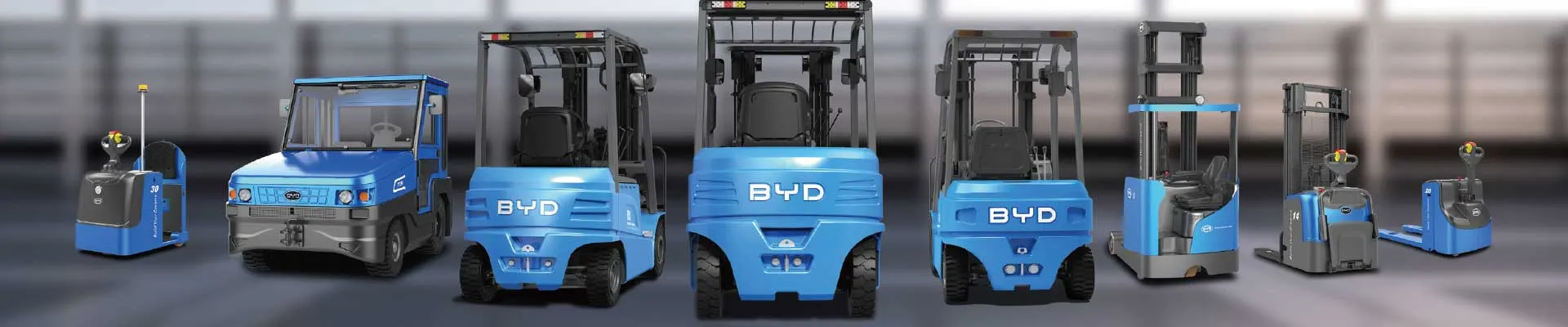
As a forklift operator in a busy beverage factory, I have spent years driving different types of material handling equipment. Recently, our facility switched to a 2-ton lithium electric forklift, and the change has been significant. I want to share my honest, day-to-day experience without any exaggeration.
The first thing I noticed was the quiet operation. Unlike internal combustion models, this lithium forklift runs almost silently. In a production area where we handle glass bottles and canned drinks, noise reduction improves communication and reduces fatigue. The absence of exhaust fumes is also a major benefit. Our warehouse is enclosed, and the zero-emission feature means we no longer need extra ventilation, which keeps the air clean and safe for everyone.
Battery performance is where this forklift truly shines. During a typical 8-hour shift, we move pallets of bottled water, soda, and juice concentrates. The 2-ton capacity handles full loads easily, and the lithium battery lasts the entire shift without needing a midday charge. On heavy days, we can recharge during a 30-minute break using the rapid charging system. This is much more efficient than the old lead-acid batteries, which required 8 hours of charging and cooling time. With lithium, we simply plug in when the opportunity arises, and the battery is ready quickly.
The driving experience is smooth and responsive. The acceleration is linear, and the regenerative braking helps conserve energy while providing gentle stops. The compact size of the 2-ton model allows easy maneuvering in narrow aisles between pallet racks. Lifting and lowering speeds are consistent, and the hydraulic controls are precise. I have not experienced any sudden power loss or jerky movements, even when stacking heavy loads on the top rack.
Maintenance has been minimal. The lithium battery requires no water topping, no acid checks, and no equalization charges. The electric motor has fewer moving parts than an engine, so routine servicing is limited to checking tires, brakes, and hydraulic fluid. Our factory manager estimates that downtime has dropped by about 60% compared to our previous fleet.
Of course, no equipment is perfect. The initial purchase cost is higher than a traditional diesel or lead-acid forklift. However, the total cost of ownership over three years is lower because of energy savings and reduced maintenance. Also, the lithium battery's performance in very cold conditions can drop slightly, but in our climate-controlled warehouse, we have not noticed any issue.
If you are considering upgrading your material handling equipment, I recommend test-driving a 2-ton lithium electric forklift. It is a practical choice for beverage plants where cleanliness, quiet operation, and efficiency matter. Our company, Hubei Jianshu New Energy, provides sales and after-sales service for high-quality electric forklifts in the Hubei region. We are committed to helping you find the right solution for your operation.


