

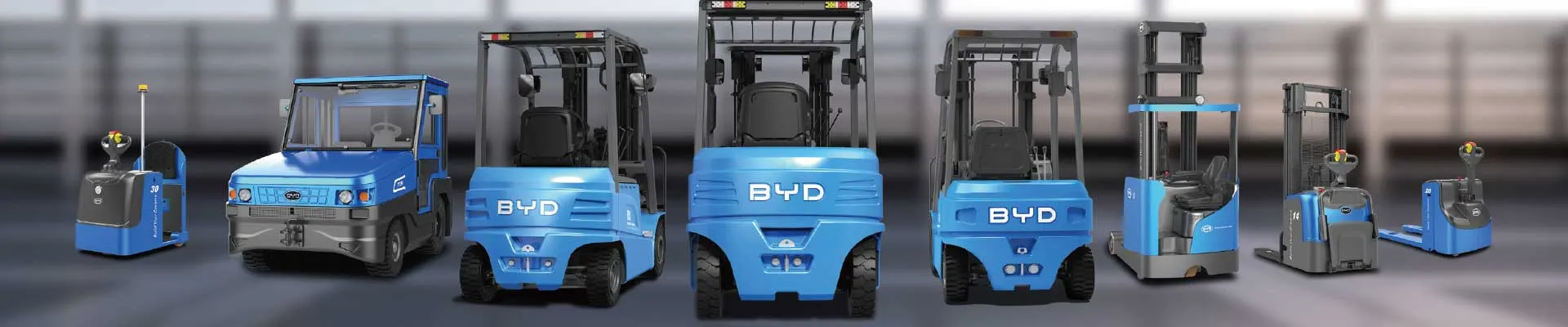
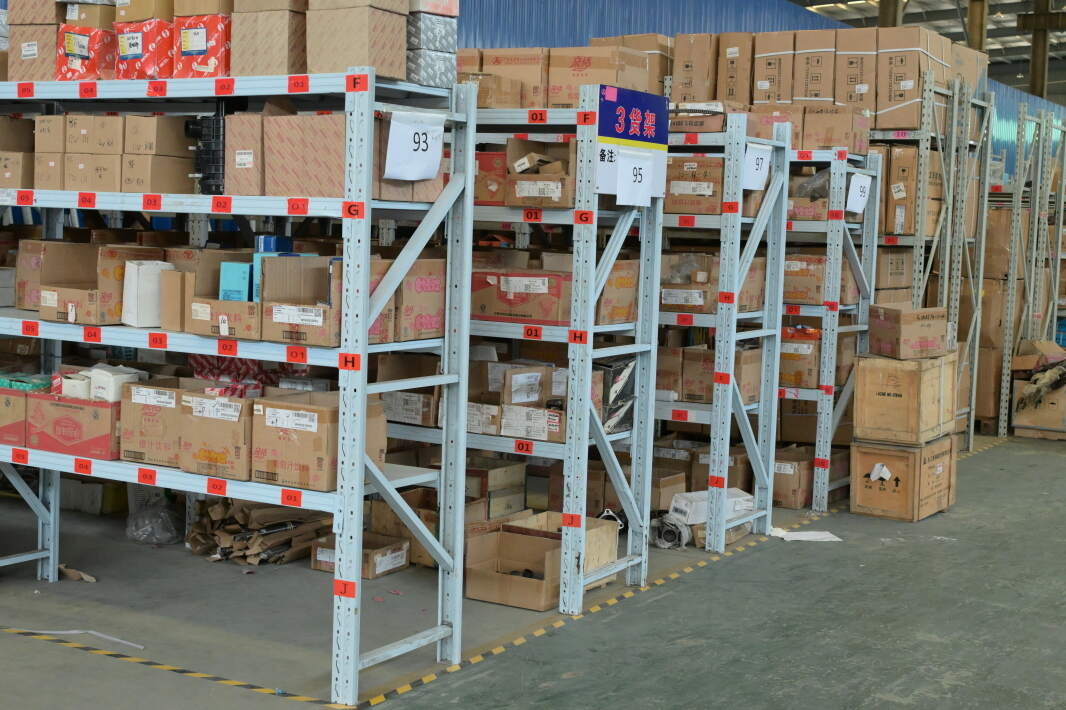
When operating a food warehouse in Hubei, selecting the right material handling equipment is critical to maintaining efficiency, hygiene, and cost control. Electric forklifts have become the preferred choice due to zero emissions, quiet operation, and suitability for indoor environments. However, one key decision remains: should you lease or purchase these forklifts? This article provides a balanced, fact-based analysis to help you make an informed choice.
Understanding Your Operational Needs
The first step is evaluating your warehouse’s specific requirements. Consider factors such as peak season demand, daily operating hours, pallet weight, and aisle width. Food warehouses often require frequent cleaning and strict temperature control, which means forklifts must be reliable and easy to maintain. If your business experiences seasonal fluctuations—for example, higher activity during harvest or holiday periods—renting offers flexibility. Conversely, if you have stable, year-round operations, purchasing may be more cost-effective over time.
Financial Considerations: Upfront Cost vs. Long-Term Investment
Purchasing a new electric forklift involves a significant capital expenditure. For a medium-sized food warehouse in Hubei, the initial investment can range from tens of thousands to over a hundred thousand RMB, depending on capacity and features. On the other hand, leasing typically requires lower upfront payments, often just a deposit and monthly rental fees. This preserves working capital for other needs like inventory or facility upgrades. However, over the long term, the total cost of leasing may exceed the purchase price, especially if you plan to use the forklift for more than three to five years. It is essential to calculate the total cost of ownership, including depreciation, maintenance, insurance, and potential downtime.
Maintenance and Service Responsibility
Food warehouses operate under strict hygiene standards. Forklifts must be kept clean and serviced regularly to avoid contamination or breakdowns. When you lease, the rental company usually handles routine maintenance, repairs, and even battery replacement. This can reduce your administrative burden and ensure that equipment is always in compliance. However, leased forklifts may have usage limits, such as maximum hours per month, and you may be charged for excessive wear or damage. If you purchase, you are responsible for all maintenance. For buyers in Hubei, partnering with a reliable local service provider is crucial. Hubei Jianshu New Energy offers sales and after-sales support for BYD electric forklifts, ensuring that owners have access to professional maintenance, spare parts, and technical assistance. This local support can significantly reduce downtime and extend equipment life.
Flexibility for Changing Business Conditions
The food industry is subject to shifting market demands, new regulations, and technological advancements. Renting allows you to upgrade to newer models or adjust fleet size without the hassle of selling used equipment. For example, if your warehouse expands or you need a forklift with higher lift capacity for a temporary project, a rental agreement can be adjusted quickly. Conversely, purchasing locks you into a specific asset. If your business needs change, you may be stuck with an outdated or underperforming machine. On the other hand, owning gives you full control over customization, such as adding special attachments for handling food crates or pallets, which may not be available from rental fleets.
Tax and Accounting Implications
From a financial perspective, lease payments are typically treated as operating expenses, which can be fully deducted from taxable income in the current year. This can improve short-term cash flow and reduce tax liability. Purchased forklifts, however, are capitalized assets that are depreciated over several years. While depreciation also provides tax benefits, the timing is different. Consult with a local accountant in Hubei to understand the specific tax regulations that apply to your business structure.
Making the Decision: A Practical Framework
For most food warehouses in Hubei, a hybrid approach often works best. Consider leasing for short-term or seasonal needs, and purchasing for core, long-term equipment. For example, you might lease two forklifts for peak seasons while owning two for steady operations. Always evaluate the total cost, including hidden fees such as delivery charges, insurance, and battery replacement costs. Test the equipment before committing—many suppliers, including Hubei Jianshu New Energy, offer trial periods or demonstrations. Finally, read the lease contract carefully: check for terms regarding early termination, damage liability, and maintenance responsibilities.
Conclusion
Choosing between renting and buying electric forklifts for a food warehouse in Hubei depends on your financial situation, operational stability, and long-term goals. Leasing offers flexibility, lower upfront costs, and hassle-free maintenance, while purchasing provides ownership, control, and potential long-term savings. By assessing your specific needs and consulting with local experts, you can select the option that best supports your warehouse efficiency and profitability. For those considering purchase, Hubei Jianshu New Energy is a reliable partner for BYD electric forklift sales and professional after-sales service in the region, ensuring your investment remains productive for years to come.


