

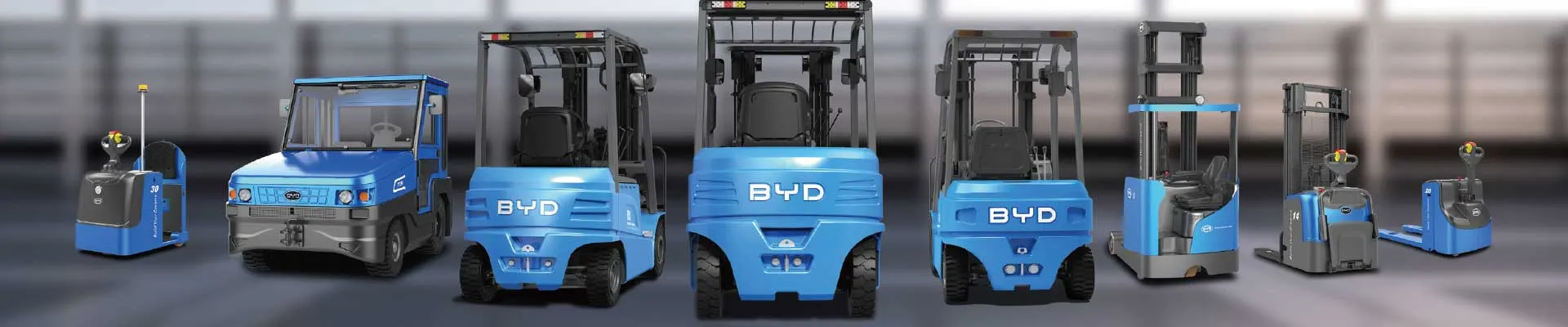
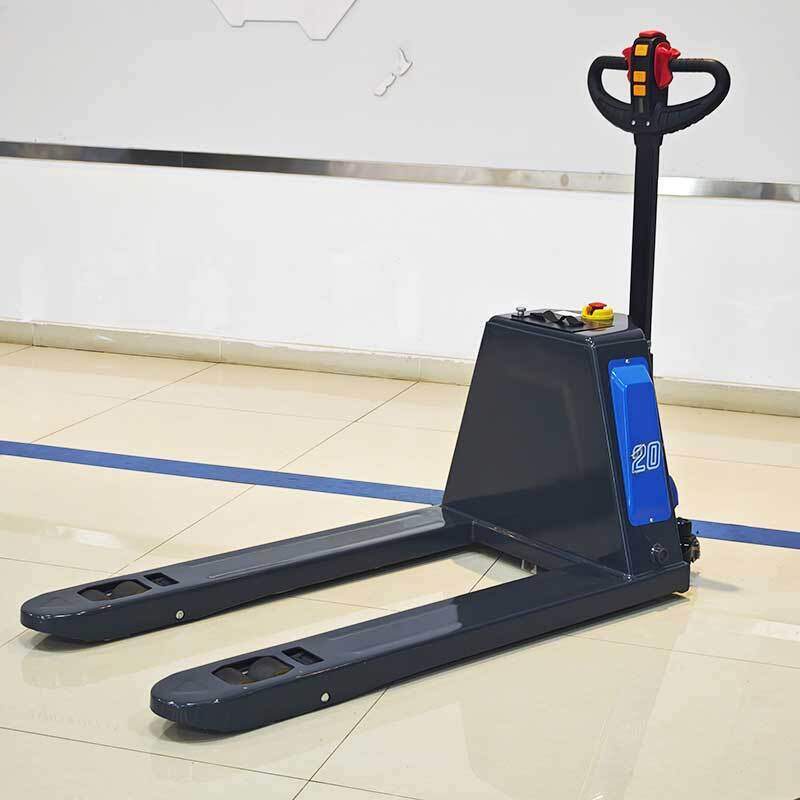
In grain and oil processing plants, electric forklifts operate in demanding environments with high humidity, dust, and temperature fluctuations. Proper battery maintenance is crucial to maximize lifespan and reduce downtime. Here are proven techniques for battery longevity.
First, adopt correct charging habits. Avoid deep discharges beyond 20% capacity. Frequent partial charging is better than full cycles. Always charge after each shift if usage exceeds 30%. Use a smart charger that automatically stops when full. Overcharging causes heat damage and water loss, while undercharging leads to sulfation.
Second, manage temperature. Batteries operate best between 20°C and 30°C. In hot seasons, ensure ventilation in the charging area. Avoid charging immediately after heavy use; let the battery cool for 30 minutes. In cold conditions, warm the battery to 15°C before charging. Extreme temperatures accelerate chemical degradation.
Third, maintain cleanliness. Dust and oil residues from grain processing can accumulate on battery terminals, causing short circuits. Clean the battery top weekly with a dry cloth. For heavy buildup, use a damp cloth with mild detergent, then dry thoroughly. Keep vent caps secure to prevent debris entry.
Fourth, water level management is critical for lead-acid batteries. Use distilled water only. Fill after charging, not before, to avoid overflow. Maintain water level just above the plates. Check every 10 charging cycles. Overfilling dilutes electrolyte; underfilling exposes plates to air, causing irreversible damage.
Fifth, perform regular equalization charges. Every 30 cycles, run a controlled overcharge to balance cell voltages. This prevents sulfation and extends capacity. Follow the charger manufacturer’s guidelines for duration. Avoid equalization if battery is hot or low on water.
Sixth, inspect cables and connectors monthly. Look for corrosion, loose terminals, or frayed wires. Tighten connections with proper torque. Apply anti-corrosion spray on terminals. Faulty connections increase resistance, leading to heat and energy loss.
Seventh, train operators. Ensure they understand not to slam the forklift, avoid abrupt starts, and minimize rapid acceleration. Smooth driving reduces battery stress. Also, instruct them to report any abnormal battery behavior like excessive heat, swelling, or odor.
Finally, implement a regular maintenance schedule. Record charging cycles, water refills, and voltage readings. This data helps detect gradual performance decline. For lithium-ion batteries, follow manufacturer-specific care, as they require different charging profiles and no water maintenance.
In summary, consistent care—proper charging, temperature control, cleanliness, water management, equalization, inspections, and operator training—can significantly extend the lifespan of electric forklift batteries in grain and oil processing plants. For expert support in Hubei, our team at Jianshu New Energy provides sales and after-sales service for high-quality electric forklifts, ensuring your equipment runs efficiently year-round.


