

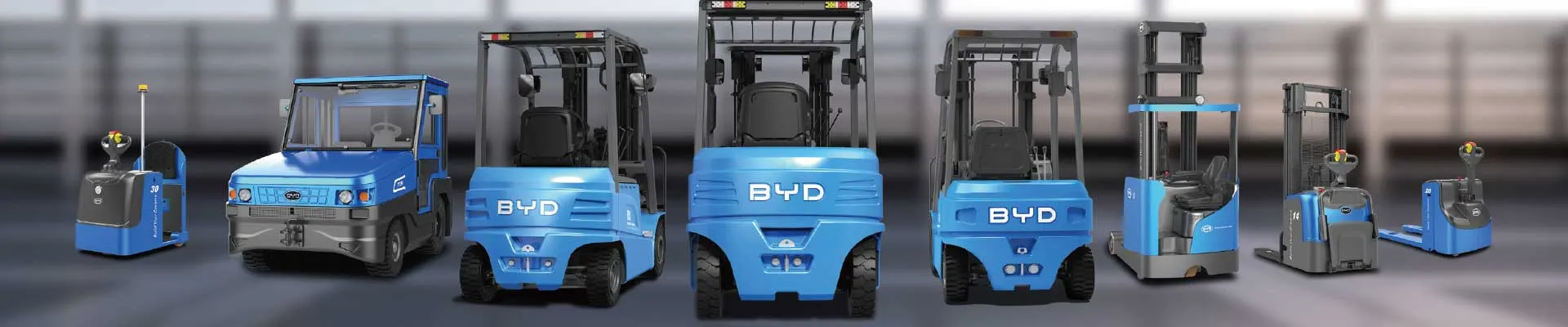
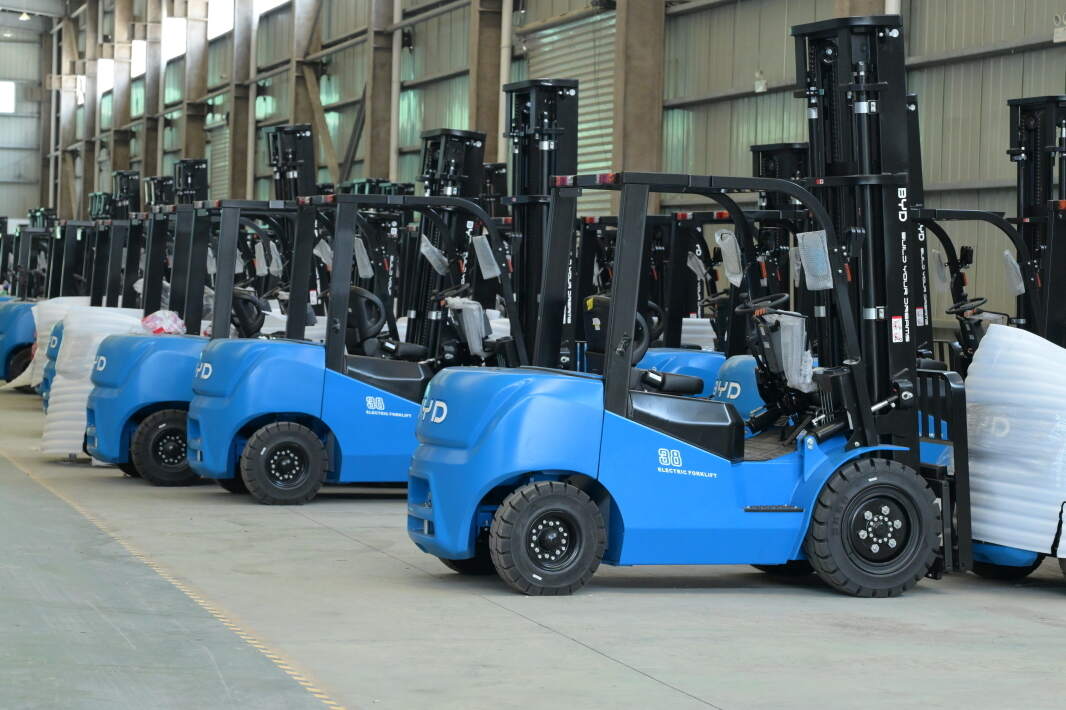
In beverage production facilities across Hubei, electric forklifts play a critical role in moving raw materials, finished goods, and palletized loads. Daily equipment inspection is not just a regulatory requirement—it is the foundation of safe, efficient, and cost-effective operations. Based on years of service experience in the region, here is a practical sharing of key inspection items for electric forklifts used in beverage workshops.
1. Visual and Structural Check
Before starting the shift, walk around the forklift. Look for any obvious damage, oil leaks, or loose parts. Pay special attention to the mast, carriage, and fork arms. In a beverage warehouse, moisture and spilled liquids can accelerate corrosion, so check for rust or peeling paint. Ensure the overhead guard and load backrest are intact.
2. Battery and Charging System
The battery is the heart of an electric forklift. Inspect the electrolyte level in each cell, if applicable. The battery terminals should be clean and tight. Check the charging cable for cuts or abrasions. After charging, verify that the battery connector is not overheating. In beverage environments, where frequent washing occurs, ensure the battery compartment is dry and free of water ingress.
3. Tires and Wheels
Tires in a beverage warehouse face constant contact with wet floors, sugar residues, and cleaning chemicals. Examine the tire tread for excessive wear, cuts, or embedded debris. Check the tire pressure on pneumatic models. For cushion tires, look for uneven wear that may indicate alignment issues. The wheel nuts must be torqued to specification.
4. Brakes and Steering
Test the service brake and parking brake. The forklift should stop smoothly without pulling to one side. Listen for unusual noises during braking. Check the brake fluid level and look for leaks. For the steering system, turn the wheel fully left and right. The steering should be responsive and free of excessive play. In narrow aisles of beverage storage, precise steering is crucial.
5. Hydraulic System
Operate the lift, tilt, and auxiliary functions. Watch for smooth, consistent movement without jerking or drifting. Inspect hydraulic hoses for cracks, bulges, or chafing. Check the hydraulic fluid level and color—clean fluid is essential. Leaks at cylinder seals or fittings should be repaired immediately to avoid contamination of beverage products.
6. Lights, Horn, and Safety Devices
In a busy beverage warehouse, visibility and warning signals prevent accidents. Test the headlights, tail lights, and turn signals. The horn must be audible above ambient noise. Verify the seat belt and operator presence system. Check the backup alarm and flashing beacon, if equipped.
7. Controls and Instruments
Start the forklift and confirm that the battery discharge indicator, hour meter, and any warning lights function correctly. The accelerator, directional control, and hydraulic levers should operate with minimal effort. In beverage environments, where operators change frequently, controls must be intuitive and reliable.
8. Daily Record Keeping
Every inspection must be documented. Use a standardized checklist with date, operator name, and findings. Any defect should be reported and tagged before the forklift is used again. This creates a traceable maintenance history and supports compliance with local safety regulations.
Conclusion
A disciplined inspection routine reduces downtime, extends equipment life, and protects workers. In the beverage industry, where hygiene and speed are paramount, electric forklifts must be kept in peak condition. Our company, Hubei Jianshu New Energy, specializes in providing sales and after-sales service for electric forklifts in the region. We encourage operators and fleet managers to adopt these inspection practices as part of their daily operations.


