

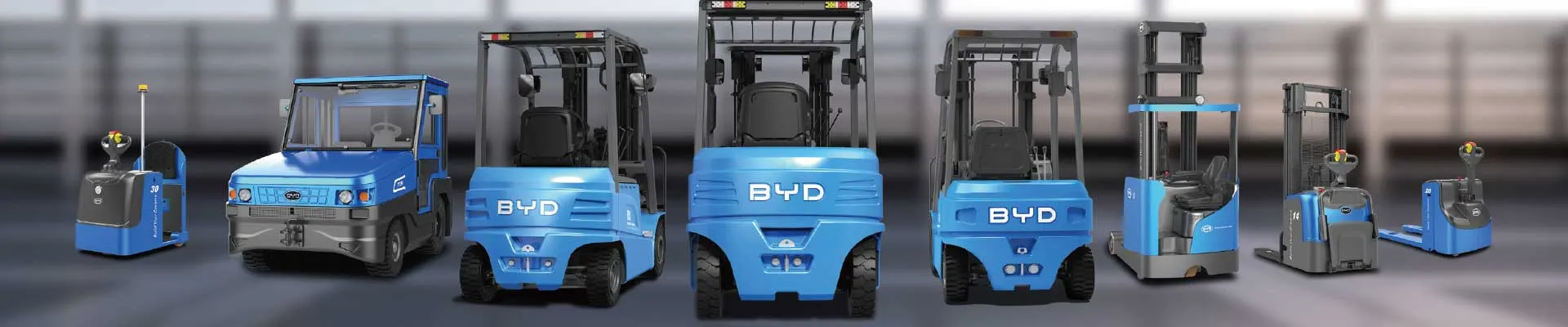
.jpg "饮料厂电动叉车,两班倒作业电池配置方案(图1)")
SEO Keywords:electric forklift battery configuration, two-shift beverage plant, forklift battery swap, lithium battery solution, Hubei forklift service
SEO Description:Expert guide on battery configuration for electric forklifts in two-shift beverage plants. Learn capacity planning, charging strategies, and swap solutions to ensure 24/7 productivity. Hubei Jianshu New Energy provides professional sales and after-sales service in Hubei.
In a beverage plant operating two shifts, the demand for material handling equipment is continuous and intense. Electric forklifts must work reliably for up to 16 hours per day, with only short breaks between shifts. This poses a critical challenge for battery configuration. An improper battery setup can lead to downtime, reduced productivity, and increased operational costs. As an electric forklift expert, I will outline practical battery configuration strategies tailored to such environments.
First, understand the workload pattern. A typical two-shift schedule means forklifts are active for about 8 hours per shift, with a 30-minute meal break and possibly a shift change handover period. The total energy consumption depends on factors like lift height, travel distance, load weight, and ambient temperature. In a beverage plant, cold storage areas and frequent pallet movements increase battery drain. A common approach is to calculate the average amp-hour (Ah) consumption per hour based on the forklift model and duty cycle. For example, a 3-ton electric forklift under moderate load may consume 50-60 Ah per hour. Over 16 hours, that totals 800-960 Ah. This is the baseline for capacity planning.
One popular solution is to use a single large-capacity battery with opportunity charging during breaks. If the forklift is equipped with a lithium-ion battery, it can be charged during the 30-minute break and the shift change interval, recovering enough energy to complete the second shift. Lithium batteries accept fast charging and have a longer cycle life, making them suitable for multi-shift operations. However, the initial investment is higher. For lead-acid batteries, opportunity charging is less effective because they require a full charge cycle and cooling time. A better option is to deploy two sets of batteries: one in use, one charging. The battery swap system allows the operator to change a depleted battery for a fully charged one in minutes. This requires a dedicated battery room with proper ventilation and charging infrastructure. The number of spare batteries depends on the charge time. For a lead-acid battery, a full charge typically takes 8 hours, so at least two spare batteries per forklift are needed to cover two shifts, plus a third if the plant operates around the clock. With lithium, one spare battery per forklift is often sufficient because fast charging can replenish the pack during the shift.
Another critical factor is the charging station layout. In a beverage plant, space is often limited near production lines. The battery room should be located close to the operating area to minimize travel time for battery swaps. Consider installing a centralized charging system with smart chargers that can adjust current based on battery state of charge. This prevents overcharging and extends battery life. For safety, ensure the battery room is equipped with spill containment, fire suppression, and proper ventilation, especially for lead-acid batteries that emit hydrogen gas during charging.
Temperature management is another consideration. Beverage plants often have cold storage zones where temperatures drop below freezing. Both lead-acid and lithium batteries lose capacity in cold conditions. If forklifts operate in cold areas, consider using heated battery compartments or selecting batteries with cold-weather ratings. For lithium, the battery management system (BMS) will protect against low-temperature charging, but discharging may still be affected. A practical solution is to keep spare batteries in a temperature-controlled charging room and swap them before entering cold zones.
Finally, regular maintenance and monitoring are essential. Implement a battery management system that tracks usage, state of charge, and temperature. Train operators on proper battery handling, including avoiding deep discharges and keeping terminals clean. With a well-planned battery configuration, the beverage plant can achieve high uptime and reduce total cost of ownership.
As Hubei Jianshu New Energy, we specialize in providing electric forklift sales and after-sales service in Hubei. Our team offers professional battery configuration consulting, charging infrastructure design, and maintenance support. We help beverage plants optimize their battery setups for two-shift operations, ensuring continuous productivity and long-term reliability.


