

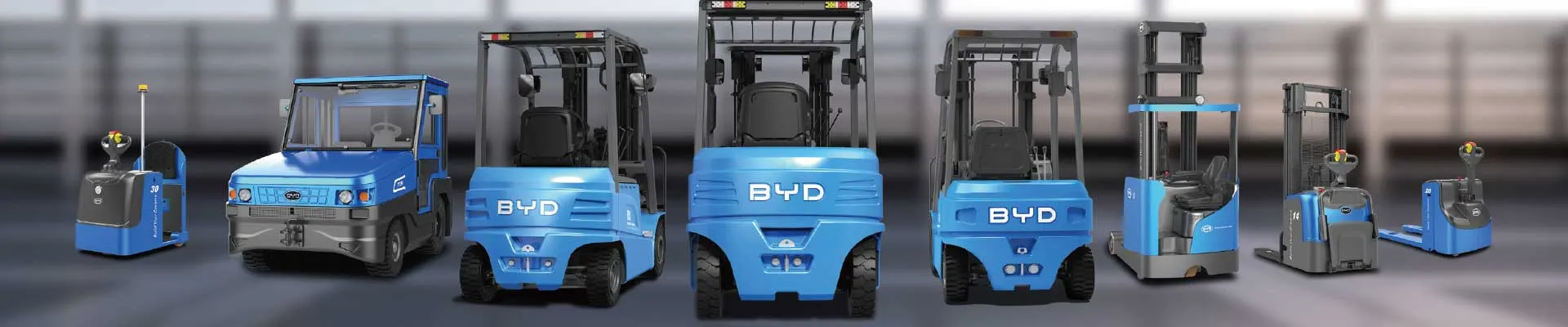
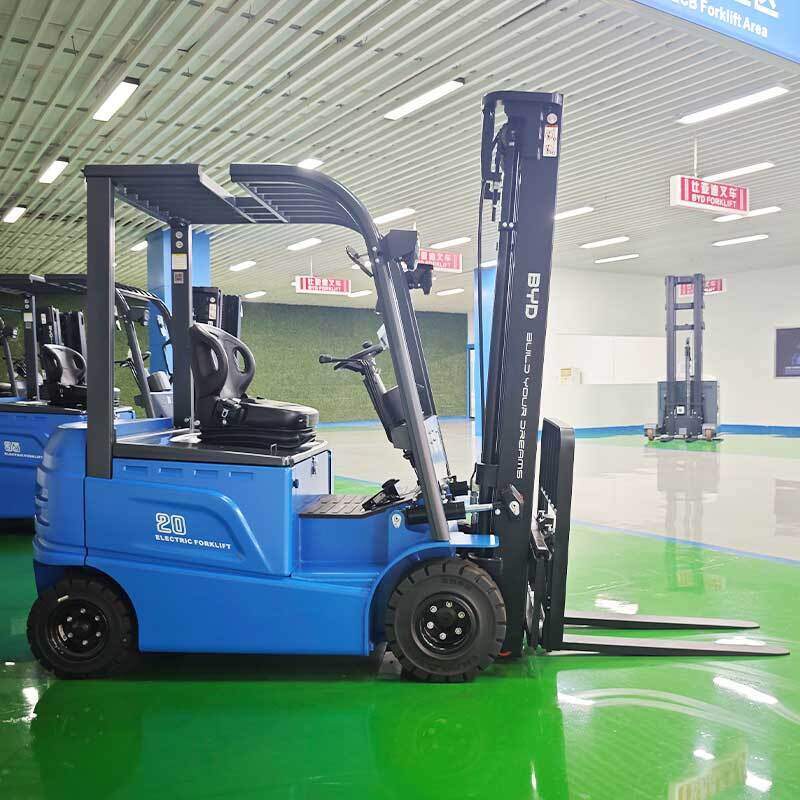
As an electric forklift specialist, I have witnessed a growing trend among Hubei food processing facilities to replace traditional fuel-powered forklifts with electric alternatives. This shift is driven by multiple factors including operational efficiency, environmental compliance, and workplace safety. Below, I outline a structured approach for making this transition successfully.
Why Make the Switch?
Food processing environments demand high standards of cleanliness and air quality. Fuel forklifts emit exhaust fumes, carbon monoxide, and particulate matter, which can contaminate products and pose health risks to workers. Electric forklifts produce zero tailpipe emissions, making them ideal for indoor use. Additionally, they operate more quietly, reducing noise pollution in production areas.
Cost Analysis: Short-Term vs. Long-Term
While the initial purchase price of an electric forklift is often higher than a fuel model, the total cost of ownership over a 5-year period is typically lower. Electricity costs are significantly cheaper than diesel or LPG per hour of operation. Electric forklifts also require fewer maintenance tasks—no engine oil changes, no fuel filters, and no exhaust system repairs. In Hubei’s food processing sector, where continuous shift operations are common, these savings accumulate quickly.
Infrastructure Preparation
Before replacing your fleet, assess your facility’s charging needs. Install dedicated charging stations with proper ventilation and safety measures. For multi-shift operations, consider fast-charging or battery swapping options. Many Hubei factories have successfully integrated a centralized charging room with scheduling software to manage battery usage.
Battery and Charging Strategies
Lithium-ion batteries offer advantages in terms of charging speed and maintenance-free operation, but they come at a higher upfront cost. Lead-acid batteries remain a cost-effective choice for single-shift operations. Evaluate your daily usage patterns to select the right battery type. Our team at Hubei Jianshu New Energy provides on-site assessment and customized charging solutions.
Operational Impact
Electric forklifts provide consistent torque and smooth acceleration, which improves handling in tight warehouse aisles common in food processing plants. They also eliminate the need for fuel storage and handling, reducing fire hazards. Operators report less fatigue due to lower vibration and noise levels.
Compliance and Sustainability
Hubei province has been implementing stricter emission regulations for industrial vehicles. By switching to electric forklifts, your facility can meet local environmental standards and contribute to the region’s carbon reduction goals. This also enhances your brand image as a sustainable business.
Partnering with a Reliable Supplier
When planning the transition, choose a supplier that offers comprehensive sales and after-sales support. Hubei Jianshu New Energy specializes in providing high-quality electric forklifts from leading manufacturers, along with installation, training, and long-term maintenance services. We help you phase out old fuel units gradually, minimizing downtime.
Conclusion
Replacing fuel forklifts with electric models in Hubei food processing plants is not just an environmental decision—it is a sound business strategy. Lower operating costs, improved safety, and regulatory compliance make it a worthwhile investment. Start with a pilot program, involve your operators in the selection process, and work with an experienced local partner to ensure a smooth transition.


