

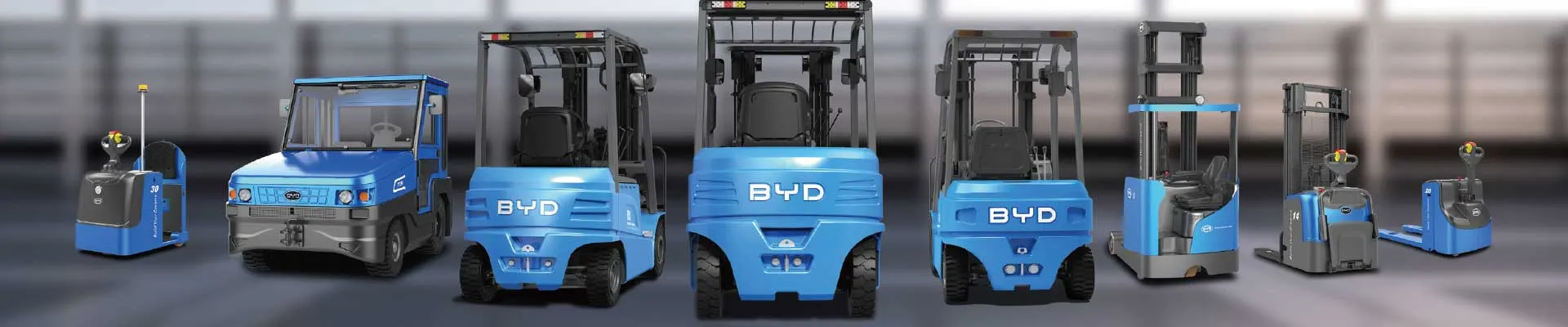
In beverage warehouses, efficient and safe full-pallet transfer is critical to maintaining product quality and operational flow. A 2.5 ton electric forklift is an ideal choice for moving standard pallets of bottled drinks, canned beverages, or bulk liquid containers. This article outlines a practical solution for integrating such equipment into your daily operations, focusing on performance, safety, and long-term cost savings.
Why Choose a 2.5 Ton Electric Forklift for Beverage Warehouses
Beverage pallets often weigh between 1.5 and 2.5 tons, depending on the product type and packaging. A 2.5 ton electric forklift provides ample lifting capacity while maintaining a compact footprint suitable for narrow aisles common in storage facilities. Electric models emit zero exhaust fumes, which is essential for enclosed warehouses where air quality and hygiene are priorities. The quiet operation also reduces noise pollution, creating a more comfortable working environment.
Key Considerations for Full-Pallet Transfer
When handling entire pallets of beverages, stability and smooth acceleration are vital. Electric forklifts offer precise control, allowing operators to lift and lower loads gently to prevent bottle breakage or container damage. The battery-powered system delivers consistent torque, ensuring reliable performance throughout shifts. For high-volume warehouses, selecting a forklift with a high-capacity battery (e.g., 80V or 700Ah) can support 6–8 hours of continuous work, reducing downtime for charging.
Operational Efficiency and Layout Adaptation
To maximize productivity, consider the warehouse layout. Standard beverage pallets are typically 48x40 inches. A 2.5 ton electric forklift with a 2000–2500 mm load center can handle these dimensions easily. Fitting the forklift with side shifters or fork positioners allows quick alignment with pallet slots, speeding up the transfer process. Additionally, ensuring aisle widths of at least 3.5 meters enables the forklift to turn and maneuver without obstructions. Implementing a one-way traffic flow and designated staging areas further enhances safety.
Safety and Maintenance Best Practices
Operators must be trained to handle heavy loads, especially when stacking pallets at heights above 4 meters. Install load backrests and overhead guards on the forklift to protect against falling items. Regular inspection of tires, brakes, and hydraulic systems is essential for electric models. Unlike internal combustion engines, electric forklifts require less frequent maintenance—no oil changes or exhaust system checks. However, battery care (water levels, terminal cleaning, and proper charging cycles) is crucial to extend battery life.
Environmental and Economic Benefits
Switching to electric forklifts reduces carbon footprint and operational costs. Electricity is generally cheaper than diesel or propane, and the lower maintenance requirements translate to fewer service interruptions. For beverage companies aiming for sustainability goals, electric forklifts align with green warehouse initiatives.
Hubei Jianshu New Energy – Your Trusted Partner
As a dedicated provider in Hubei, we specialize in sales and after-sales service for BYD electric forklifts, including the 2.5 ton models tailored for beverage logistics. Our team offers professional consultation, customized solutions, and responsive maintenance support to ensure your equipment runs at peak efficiency. Contact us to discuss how a 2.5 ton electric forklift can transform your warehouse’s pallet transfer operations.


