

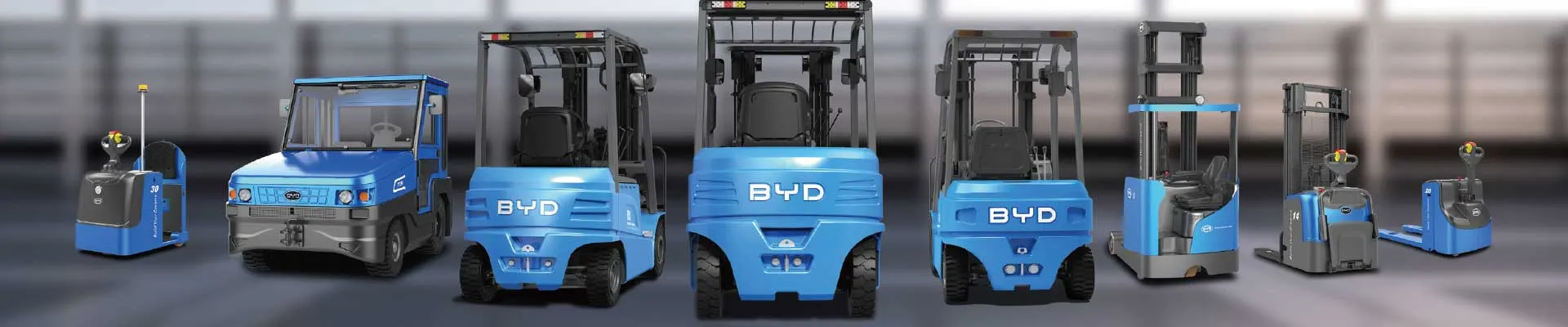
_zip.jpg "冷链食品仓库电动叉车,低温作业设备参考(图1)")
Operating electric forklifts in cold chain food warehouses presents unique challenges. Sub-zero temperatures, condensation, and frequent temperature shifts can affect battery performance, hydraulic systems, and tire durability. As a professional in material handling equipment, I have observed that selecting the right forklift and following proper maintenance practices are critical for efficiency and safety in freezer environments.
Battery performance is the primary concern. Standard lead-acid batteries lose capacity rapidly in cold conditions. Lithium-ion batteries are a better choice because they maintain consistent voltage output even at -20°C. They also charge faster and do not require daily watering or equalization. For cold storage applications, we recommend forklifts with insulated battery compartments and heating elements that keep the battery at optimal operating temperature. Additionally, charging should always be done in a temperature-controlled area above freezing to prevent damage.
Hydraulic systems also require attention. Standard hydraulic oils thicken in low temperatures, causing sluggish lifting and increased energy consumption. Low-temperature hydraulic fluids with a lower pour point are essential. These fluids maintain proper viscosity down to -30°C, ensuring smooth mast and fork movements. Seals and hoses should be made of cold-resistant materials such as polyurethane or silicone to avoid cracking.
Tires are another critical component. Solid rubber tires can become brittle and lose traction on icy floors. We recommend cushion tires or pneumatic tires with specialized cold-weather rubber compounds. These provide better grip and resist hardening. For indoor freezer warehouses, non-marking tires are preferred to avoid leaving black marks on clean floors.
Condensation management is often overlooked. When a forklift moves from a cold warehouse into a warmer dock area, moisture condenses on electrical components, sensors, and connectors. This can cause short circuits or corrosion. To mitigate this, forklifts should be equipped with sealed electrical connectors, conformal-coated circuit boards, and drainage systems. Operators should also allow the forklift to warm up gradually before entering the freezer to reduce condensation.
Routine maintenance in cold chain environments follows a strict schedule. Battery terminals must be cleaned weekly to prevent acid buildup. Hydraulic filters should be changed more frequently due to increased contamination from thermal cycling. Lubricants for pivot points and chains must be cold-tolerant. We recommend using synthetic greases that do not harden at low temperatures.
Operator comfort also impacts productivity. Forklifts with enclosed cabs, heating systems, and defrosting fans enable operators to work longer without fatigue. Heated seats and steering wheels further improve ergonomics. For unheated warehouses, anti-fog coatings on windshields and mirrors help maintain visibility.
Safety is paramount. Low temperatures reduce human reaction time, and slippery floors increase accident risks. Forklifts should be equipped with blue safety lights, backup alarms, and anti-slip pedals. Speed limiters are advisable in narrow aisles of cold storage facilities. Regular training on cold-weather operation is essential for all drivers.
In summary, electric forklifts for cold chain food warehouses require careful specification and ongoing maintenance. Prioritize lithium-ion batteries, low-temperature hydraulic fluids, cold-resistant tires, and condensation protection. Partner with a supplier who understands these specialized needs. Hubei Jianshu New Energy provides sales and after-sales service for BYD electric forklifts in Hubei region, ensuring your equipment performs reliably even in the harshest freezer conditions.


