

In food processing facilities, maintaining a clean and hygienic environment is critical to product safety and regulatory compliance. Electric forklifts used in food clean rooms must adhere to strict sanitation standards to prevent contamination. This article outlines the key hygiene requirements for electric forklifts operating in such environments, focusing on design, cleaning protocols, and operational practices.
1. Design and Material Requirements
Electric forklifts intended for food clean rooms should be constructed with smooth, non-porous surfaces that resist bacterial growth. Stainless steel or food-grade plastic components are preferred, as they are easy to clean and do not corrode. All joints and seams should be sealed to prevent debris accumulation. The forklift’s battery compartment must be sealed and vented properly to avoid battery acid leaks or gas emissions, which could contaminate food products. Additionally, tires should be non-marking and made of materials that do not shed particles.
2. Cleaning and Sanitization Protocols
Regular cleaning is essential to remove food residues, dust, and microorganisms. Operators should follow a standardized cleaning schedule, which includes daily wiping of all surfaces with approved sanitizers that are safe for food contact. The forklift’s forks, mast, and undercarriage require special attention, as these areas often trap food particles. High-pressure washdown systems may be used, but only if the forklift is rated for such cleaning (e.g., IP65 or higher electrical protection). After cleaning, the forklift must be thoroughly dried to prevent mold growth.
3. Lubrication and Maintenance
All lubricants used on the forklift must be food-grade and NSF H1 certified to avoid accidental contamination. Maintenance personnel should follow manufacturer guidelines for greasing bearings, chains, and hydraulic systems, ensuring no excess lubricant drips onto food-contact surfaces. Regular inspections of seals, gaskets, and hoses are necessary to prevent leaks.
4. Operational Best Practices
Operators must be trained to handle the forklift in a way that minimizes contamination risks. For example, forklifts should not be driven over raw materials or packaging areas unless necessary. Dedicated traffic lanes and storage zones help separate clean and dirty areas. Battery charging stations should be located outside the clean room to avoid fumes and spills.
5. Compliance and Certification
Facilities should verify that their electric forklifts meet relevant industry standards, such as those from the International Sanitary Supply Association (ISSA) or local food safety regulations. Regular audits of cleaning logs and maintenance records demonstrate compliance.
Conclusion
Adhering to hygiene standards for electric forklifts in food clean rooms is not optional—it is a fundamental requirement for food safety. By selecting appropriately designed equipment, implementing rigorous cleaning protocols, and training operators, facilities can reduce contamination risks effectively.
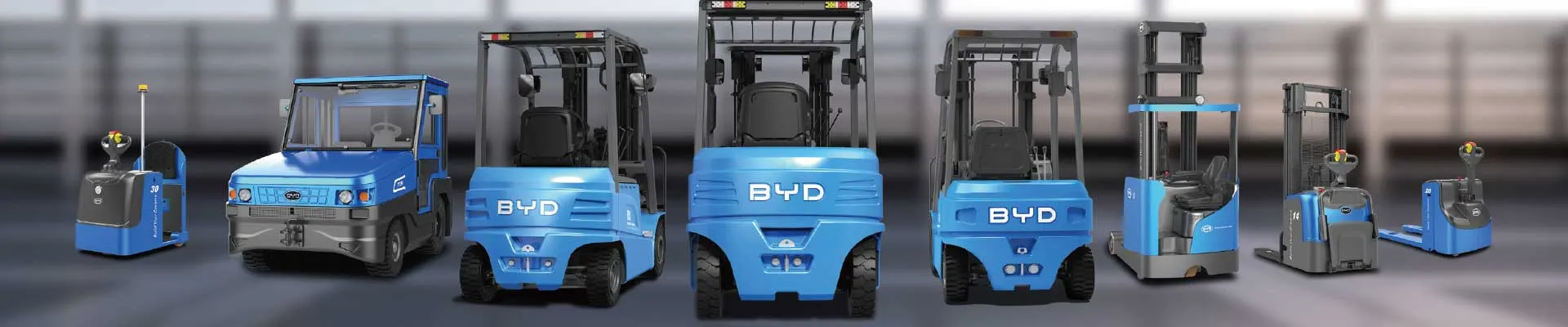
For customers in Hubei Province, Hubei Jianshu New Energy offers professional sales and after-sales service for BYD electric forklifts, helping you maintain a clean and efficient operation. Contact us to learn more about our solutions tailored to food industry needs.


