

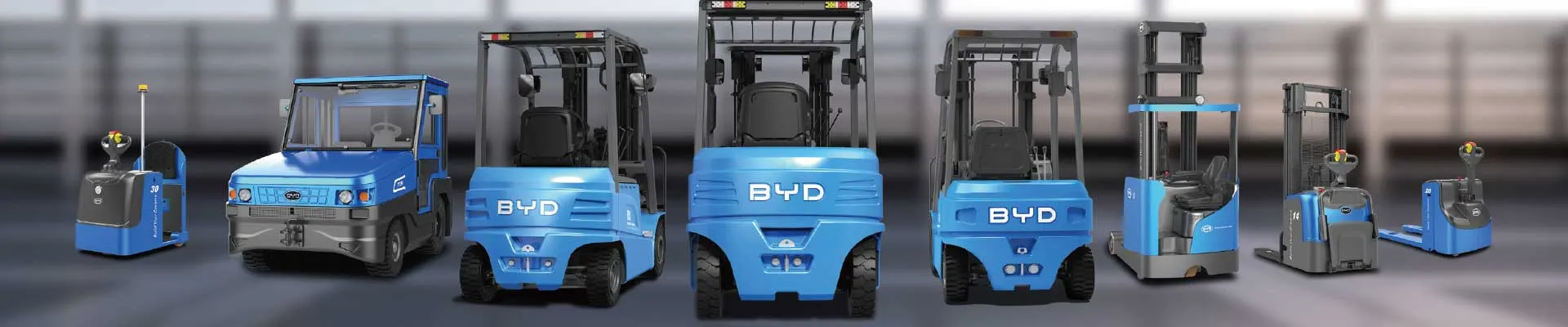
.jpg "食品仓库电动叉车,托盘规格与货叉选配(图1)")
In modern food warehouses, maintaining hygiene, temperature control, and efficient material flow is critical. Choosing the right electric forklift requires careful consideration of pallet specifications and fork selection to ensure safety, productivity, and compliance with food safety regulations. This guide provides practical insights for warehouse operators in Hubei, China, where Hubei Jianshu New Energy offers professional sales and after-sales service for electric forklifts.
First, understand standard pallet dimensions used in the food industry. Common pallet sizes include the Euro pallet (1200 mm x 800 mm), the GMA pallet (1200 mm x 1000 mm), and the Asian-standard pallet (1100 mm x 1100 mm). For food warehouses, the pallet material often includes plastic or treated wood to avoid contamination. The forklift fork length must match the pallet depth to allow stable insertion. Typically, fork lengths of 1200 mm or 1500 mm are suitable for most standard pallets. For shorter pallets, use adjustable fork positions to prevent overhang.
Second, evaluate the fork width and type. Standard fork widths range from 600 mm to 800 mm, but narrow aisle applications may require specialized forks. In a food warehouse, space optimization is crucial. For example, a three-wheel electric forklift with a tight turning radius can operate in corridors as narrow as 2.5 meters. The fork thickness and load capacity must align with the pallet weight. Heavy-duty pallets carrying frozen goods or bulk ingredients may need reinforced forks with a higher load rating. Always check the forklift’s rated capacity at the specified load center.
Third, consider the operating environment. Food warehouses often maintain low temperatures for cold storage. Electric forklifts with sealed batteries and corrosion-resistant components are essential. Hubei Jianshu New Energy provides electric forklifts that perform reliably in cold environments, with battery options that maintain runtime even in sub-zero conditions. Additionally, the fork surface should be smooth to prevent damaging pallets or product packaging.
Finally, work with a local expert to select the right fork attachment. Options like side shifters, fork positioners, or load stabilizers can improve efficiency. However, avoid over-specifying features that may increase cost without real benefit. Hubei Jianshu New Energy’s team can assist in assessing your specific pallet types, aisle widths, and daily throughput to recommend the best electric forklift configuration. Their after-sales service includes maintenance, battery replacement, and operator training, ensuring your food warehouse operates smoothly. By matching pallet specifications with proper fork selection, you can reduce product damage, increase uptime, and comply with strict food safety standards.


