

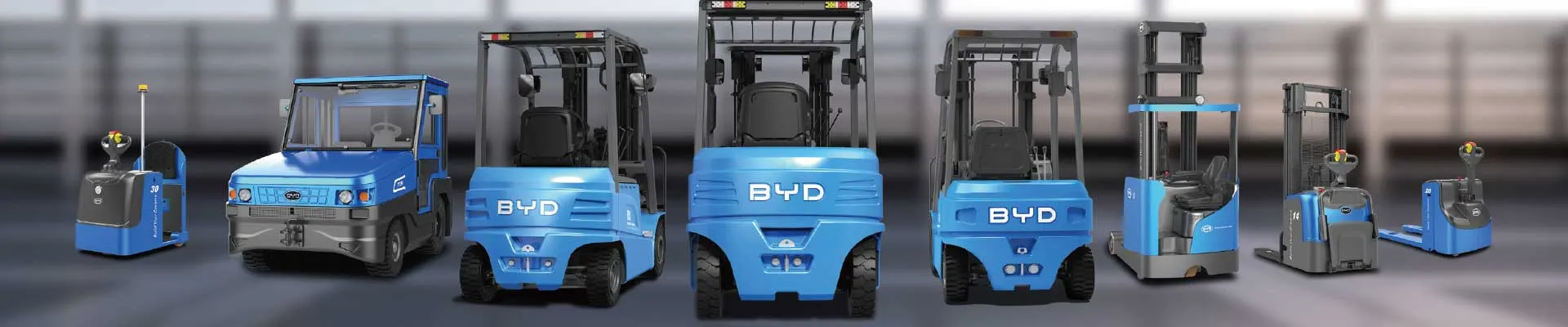
.jpg "湖北食品厂电动叉车,年度维保计划怎么制定(图1)")
In a food factory environment, electric forklifts are essential for moving raw materials, semi-finished goods, and finished products. However, the humid, dusty, and often cold conditions in Hubei’s food processing facilities demand a rigorous annual maintenance plan. Without proper scheduling, equipment failure can disrupt production, compromise food safety, and increase operating costs.
This article provides a step-by-step guide to creating an effective annual maintenance plan for electric forklifts in a Hubei food factory. The advice is based on industry best practices and local regulatory requirements, ensuring compliance and optimal performance.
1. Understand the Operating Environment
Food factories in Hubei typically have high humidity, frequent washdowns, and temperature fluctuations. Electric forklifts in such environments require corrosion-resistant components and sealed electrical systems. When designing the annual plan, start by mapping the factory’s production cycle. Identify peak seasons and low-activity periods. Schedule major maintenance during low-demand windows to minimize downtime.
2. Establish a Monthly Inspection Checklist
A successful annual plan is built on consistent monthly checks. Create a checklist that covers:
- Battery water levels and terminal cleanliness
- Tire wear and pressure
- Hydraulic fluid leaks and hose condition
- Brake response and pedal feel
- Warning lights, horn, and backup alarms
- Fork condition and load backrest integrity
Each month, assign a trained operator or technician to perform these checks and record findings in a logbook.
3. Plan Quarterly Deep Maintenance
Every three months, schedule a more thorough inspection. This includes:
- Cleaning the motor and controller compartments with compressed air (avoid water)
- Checking the drive motor brushes and commutator
- Lubricating all pivot points with food-grade grease
- Testing the battery’s specific gravity and charging system voltage
- Inspecting the steering mechanism for excessive play
Quarterly service should also include a test of the emergency stop function and a review of the previous month’s inspection logs.
4. Annual Full Overhaul
Once per year, perform a comprehensive overhaul. This is the core of the annual plan. It should cover:
- Complete battery discharge and equalization charge
- Replacement of hydraulic fluid and filter if needed
- Disassembly and cleaning of the brake system
- Inspection of all wiring harnesses for chafing or corrosion
- Verification of the load capacity plate and safety decals
- Functional test of the traction and hoist systems under load
In Hubei, where humidity can accelerate rust, pay special attention to the undercarriage and fork carriage.
5. Integrate Food Safety Requirements
Food factories are subject to strict hygiene standards. Any lubricant or cleaning agent used must be food-grade. The maintenance plan should include a step to verify that no oil leaks or metal shavings contaminate the work area. After each service, the forklift should be wiped down with a sanitizer approved for food contact surfaces.
6. Train Operators and Maintenance Staff
An annual plan is only as good as the people who execute it. Provide regular training on:
- Daily pre-shift inspections (a must for food safety)
- Proper charging procedures to extend battery life
- Recognizing early signs of component failure
- Reporting any unusual noises or odors
In Hubei, many factories operate two shifts. Ensure that the plan includes a brief handover inspection between shifts.
7. Document Everything
Keep detailed records of all maintenance actions. This includes:
- Date and time of service
- Parts replaced and their part numbers
- Technician’s name and signature
- Any unresolved issues noted for follow-up
These records are vital for warranty claims, regulatory audits, and future planning.
8. Partner with a Professional Service Provider
While some factories handle basic maintenance in-house, complex tasks like motor controller diagnostics or battery replacement require specialized tools and expertise. Hubei Jianshu New Energy specializes in electric forklift sales and after-sales service in the Hubei region. Our technicians are trained to perform annual maintenance plans that align with your factory’s specific needs, ensuring compliance with local safety standards.
Conclusion
An annual maintenance plan for electric forklifts in a Hubei food factory is not a luxury—it is a necessity. By following the steps outlined above, you can reduce unexpected breakdowns, extend equipment life, and maintain a safe and hygienic work environment. Start with a thorough assessment of your factory’s conditions, build a schedule that respects production cycles, and always prioritize operator training and documentation. For professional support, consider reaching out to a local service provider like Hubei Jianshu New Energy, which offers reliable after-sales care for electric forklifts in the region.


