

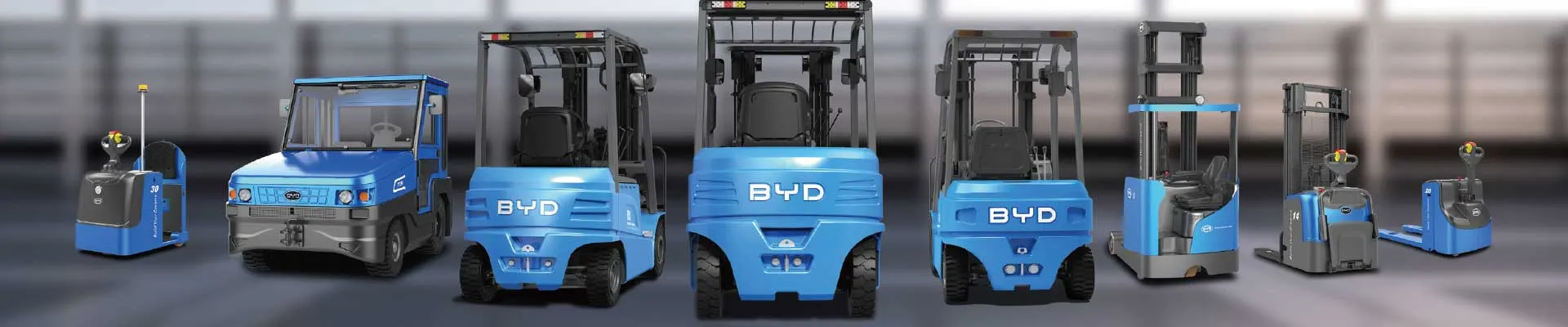
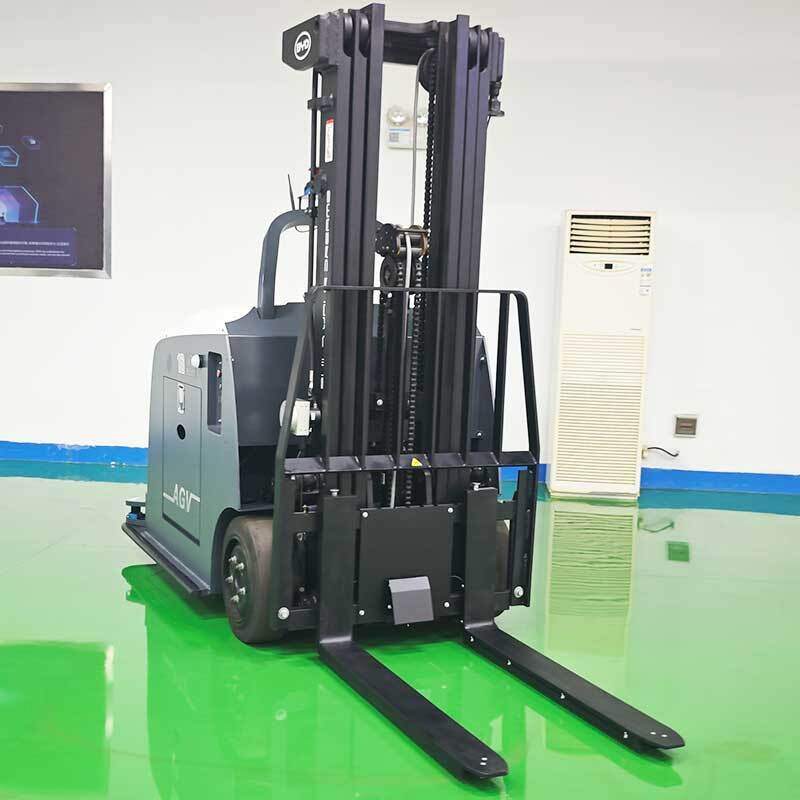
In the food processing industry of Hubei, electric forklifts are indispensable for moving raw materials, semi-finished goods, and finished products within high-density rack storage areas. However, operating these machines in narrow aisles and around tall racks presents unique hazards. As a professional electric forklift supplier serving Hubei—Hubei Jianshu New Energy—we emphasize that safety must be the foundation of every warehouse operation. This article outlines the critical safety standards for electric forklift rack operations in food factories, focusing on practical procedures that comply with local regulations and industry best practices.
First, operator training is non-negotiable. Every forklift driver must hold a valid qualification certificate and receive specific training on electric forklift characteristics, including battery management, regenerative braking, and silent operation. In food factories, operators must also understand hygiene protocols—such as avoiding contamination of open food containers—and the importance of keeping aisles clear of debris. Additionally, refresher courses should be conducted every six months to reinforce safe practices.
Second, pre-operation inspections are mandatory. Each shift, the operator must check the forklift’s tires, brakes, lights, horn, battery charge level, and hydraulic fluid. Special attention should be paid to fork condition and load backrest integrity. Any sign of damage, such as cracks or leaks, must be reported immediately and the forklift taken out of service until repaired. For electric forklifts, the battery compartment must be clean and dry, and charging procedures should be performed in a well-ventilated area away from food storage.
Third, load handling during rack operations requires strict adherence to weight limits. The maximum load capacity printed on the forklift’s nameplate must never be exceeded. When lifting pallets, the forks should be fully inserted under the load, and the load should be tilted back slightly before moving. In rack aisles, the operator must maintain a slow, steady speed—typically no more than 5 km/h—and keep the forks low to the ground (15–20 cm) when traveling. Never raise or lower the load while the forklift is moving; always stop completely before adjusting height.
Fourth, rack configuration and aisle width demand careful planning. Food factories often use narrow-aisle racking systems, which require counterbalance electric forklifts with precise steering capabilities. The rack beams must be designed to support the intended load, and the floor surface should be level and free of oil or water. Operators must be aware of rack uprights and avoid colliding with them, as even a minor impact can destabilize the structure. If any rack damage is observed, it must be reported to the warehouse supervisor immediately.
Fifth, pedestrian safety is paramount. In a busy food factory, workers may be walking near racks. Forklift operators must use audible warnings—such as horns or reverse alarms—and always yield to pedestrians. Clearly marked walkways and designated forklift lanes should be painted on the floor. Additionally, the use of mirrors at blind corners and intersection warnings can prevent accidents. No one other than the operator should ride on the forklift, and passengers are strictly prohibited.
Sixth, environmental considerations are unique to food factories. Temperature fluctuations, humidity, and the presence of water or cleaning agents can affect electric forklift performance. Operators should ensure that the forklift’s electrical components are sealed and protected. Battery charging stations must be located in dry areas with proper ventilation, and fire extinguishers should be readily accessible. In cold storage areas, condensation can cause slippery floors, so extra caution is needed.
Finally, emergency procedures must be established and practiced. In the event of a forklift tip-over, the operator should remain seated, hold onto the steering wheel, and lean away from the point of impact. For battery fires or spills, the emergency response team must be notified immediately. Regular drills—at least quarterly—help ensure everyone knows their role.
At Hubei Jianshu New Energy, we are committed to supporting Hubei food factories with reliable electric forklift sales and after-sales service. We provide comprehensive training, routine maintenance, and safety audits to help your operation run smoothly. By following these safety standards, you can reduce accident risks, protect your products, and maintain a productive work environment. Remember: safety is not just a rule—it is a culture.


