

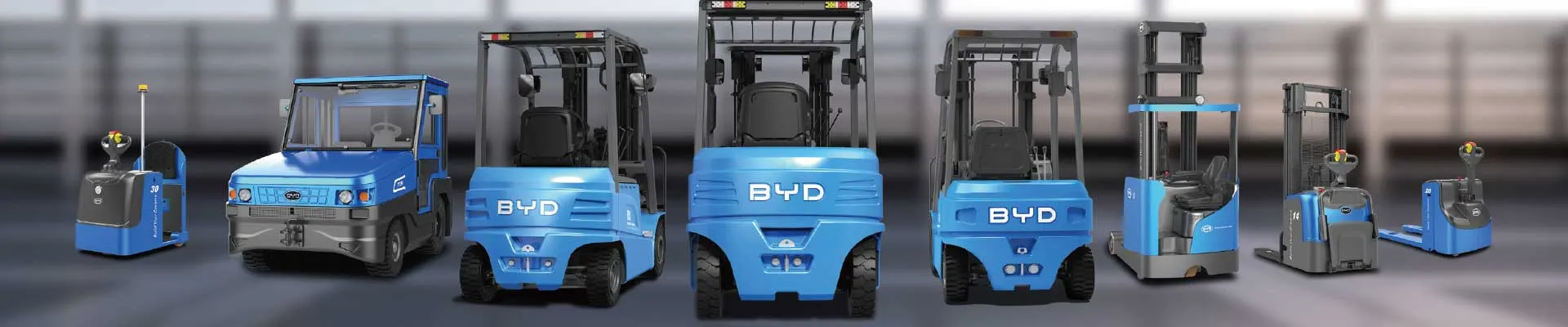
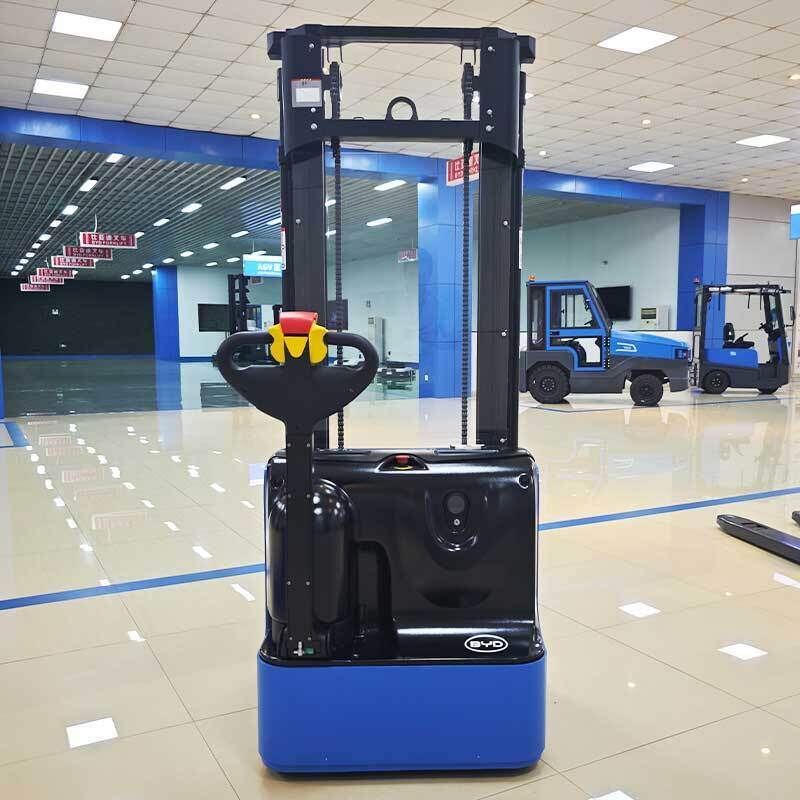
In beverage production workshops, the charging area for electric forklifts requires careful planning due to high humidity, potential sugar dust, and frequent cleaning operations. A well-designed zone enhances safety, extends battery life, and improves workflow efficiency.
First, locate the charging station away from water sources, drains, and wash-down areas. The floor should be level, non-slip, and resistant to moisture and chemical腐蚀. Maintain a minimum clearance of 1 meter around each charger to allow airflow and prevent overheating.
Second, install dedicated electrical circuits with proper grounding and surge protection. Use industrial-grade chargers that automatically shut off when charging is complete. Avoid extension cords or temporary wiring.
Third, ensure adequate ventilation. Batteries emit hydrogen gas during charging, which is explosive in confined spaces. Position the area near an exhaust fan or open wall, and never charge in sealed rooms. For added safety, install hydrogen gas detectors and explosion-proof lighting.
Fourth, equip the area with a Class B or C fire extinguisher, clearly marked emergency shut-off switch, and a spill kit for battery acid. Post charging instructions and warning signs in both English and local language.
Finally, establish a daily inspection routine: check cables for fraying, clean battery terminals, and record charging times. Operators should be trained to handle battery water levels and to report any abnormalities immediately.
Hubei Jianshu New Energy, based in Hubei, offers professional sales and after-sales service for electric forklifts. Our team can assist in designing a compliant charging zone that meets local safety regulations and operational needs. By following these guidelines, beverage workshops can reduce risks, improve battery performance, and maintain a productive material handling environment.


