

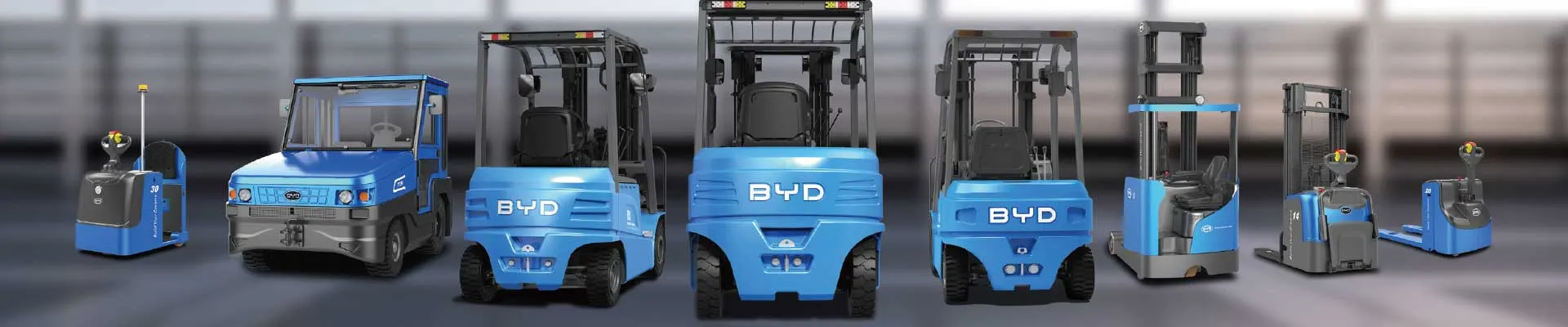
.jpg "湖北食品仓储电动叉车,锂电版本适配性分析(图1)")
In the rapidly evolving logistics landscape of Hubei Province, food warehouses face unique operational challenges that demand efficient, reliable, and environmentally considerate material handling solutions. Electric forklifts, particularly those powered by lithium battery technology, have emerged as a compelling option. This analysis explores the adaptability of lithium battery electric forklifts for Hubei food warehouses, focusing on key factors such as performance, safety, and operational cost, while introducing the support services available from Hubei Jianshu New Energy.
Food warehouses in Hubei typically operate in environments with controlled temperature and humidity, often requiring equipment that can perform consistently under varying conditions. Lithium battery electric forklifts offer distinct advantages in this context. Their sealed battery design eliminates the risk of acid leaks or hydrogen gas emissions, which is critical for maintaining food safety standards. Additionally, lithium batteries provide stable power output even in low-temperature settings, a common challenge in cold storage areas. Unlike traditional lead-acid batteries, which lose capacity and require longer charging times in cold environments, lithium batteries maintain high efficiency across a wider temperature range, ensuring uninterrupted workflow.
The adaptability of lithium battery forklifts also extends to charging infrastructure. Food warehouses often operate on tight schedules, and the opportunity charging capability of lithium batteries allows for quick top-ups during breaks or shift changes without the need for dedicated battery swapping rooms. This reduces the required floor space for charging stations and minimizes downtime. Furthermore, lithium batteries have a longer lifespan, typically exceeding 2,000 cycles, which translates to lower total cost of ownership over time. Their maintenance requirements are minimal, as there is no need for water refilling or equalization charging, freeing up maintenance personnel for other critical tasks.
However, adaptability must be assessed in the context of Hubei’s specific climate and operational patterns. The region experiences high humidity during summer months, which can affect electrical components. Modern lithium battery electric forklifts are designed with robust IP ratings (such as IP54 or higher) to resist moisture ingress, making them suitable for such environments. Additionally, the forklifts’ regenerative braking systems help conserve energy in stop-and-go warehouse operations, further enhancing efficiency.
It is important to note that the successful integration of lithium battery forklifts requires proper selection of battery capacity and charger specifications based on the actual workload. For example, a warehouse handling heavy pallet loads over long distances may benefit from a higher ampere-hour battery, while one with frequent short trips can use a smaller capacity pack with fast charging. Consultation with experienced service providers is essential to tailor the solution.
Hubei Jianshu New Energy specializes in the sales and after-sales service of a leading brand of electric forklifts in Hubei, offering comprehensive support for lithium battery models. Our team provides on-site evaluation, battery and charger selection guidance, and prompt maintenance services to ensure your equipment operates at peak efficiency. We also assist with the transition from lead-acid to lithium, including infrastructure upgrades and operator training, all while adhering to strict safety and regulatory standards.
In conclusion, lithium battery electric forklifts demonstrate strong adaptability for Hubei food warehouses, offering improved performance, safety, and cost efficiency. When paired with reliable local service and support, they represent a practical and future-oriented investment for the region’s food logistics industry.


